Photo: www.pixabay.com
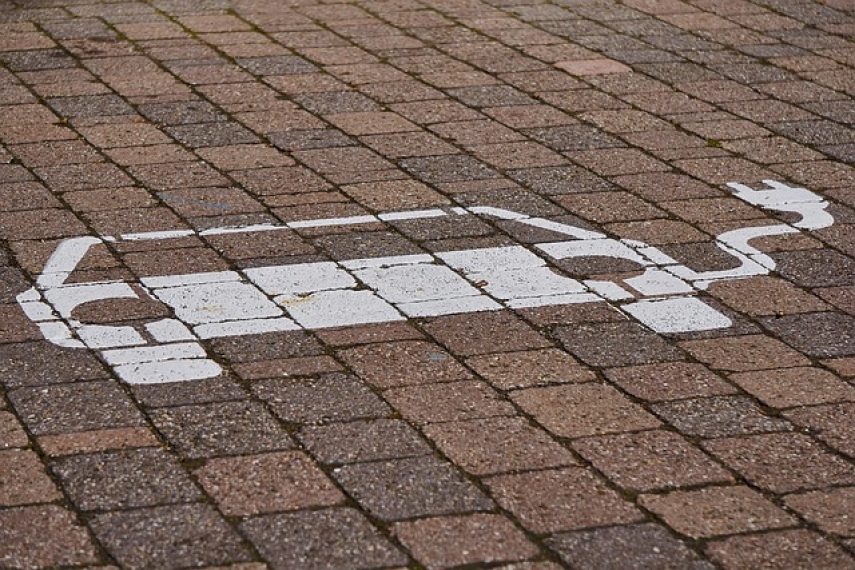
TALLINN - Traveling by electric car is one of the most prominent examples of how environmentally conscious thinking has taken root in travelers' everyday habits. However, Alens Baibekovs, CEO of rental service provider Booking Group Corporation, acknowledges that several factors are hindering the broader spread of this trend in the Baltics.
"Wider uptake of electric vehicles, along with investments in renewable energy and charging infrastructure, helps reduce the carbon footprint and supports the development of a more sustainable tourism sector. At the same time, promoting electric car tourism can also enhance the Baltic states' reputation as environmentally friendly destinations, attracting more eco-conscious travelers to the region," Baibekovs said in a press release.
Statistics from EconomyBookings.com show that demand for electric vehicles began rising in 2023 and has remained relatively stable since. Electric cars are primarily favored due to their lower fuel costs and emissions, better driving experience, modern technology, and the ability to use bus lanes.
However, in the first six months of this year, demand for electric vehicles among travelers in the Baltic states has dropped by half compared to last year.
"One possible reason for the decline is the growing preference for SUVs and full-size vehicles, which are often more comfortable and offer larger luggage capacity. We are seeing an upward trend in bookings for these types of vehicles," Baibekovs said.
International travelers visiting the Baltics also tend to prefer SUVs and economy-class cars, leaving electric vehicles lower on their list of choices.
The executive believes that the widespread adoption of electric vehicles in the Baltics is hindered by high upfront investment costs, insufficient charging infrastructure, limited vehicle selection and availability, and concerns over range and charging times.
"Although charging networks are constantly being developed, there are still not enough of them outside capital cities. Many travelers, especially foreigners, are also concerned about whether their bank card is compatible with a particular charging point," he said.
Baibekovs added that renting an electric car is generally more expensive than renting a vehicle with an internal combustion engine. Insurance can also be more expensive, as electric cars have higher repair costs and a higher market price.
Baibekovs believes that developments concerning preference for electric cars over the next 5-10 years will depend on how quickly rental companies renew their electric car fleets and how environmentally conscious society becomes in general.
"Electric cars will become a reliable and natural choice if investments in infrastructure expansion continue and public awareness of their advantages is increased," he explained, adding that the transition will require a joint effort by policymakers, businesses, and users.

Please enter your username and password.

2026 © The Baltic Times /Cookies Policy Privacy Policy