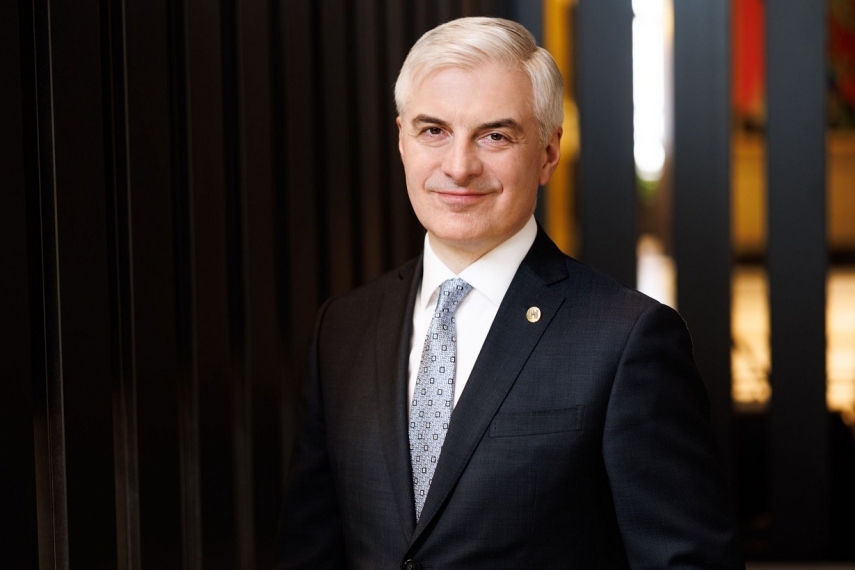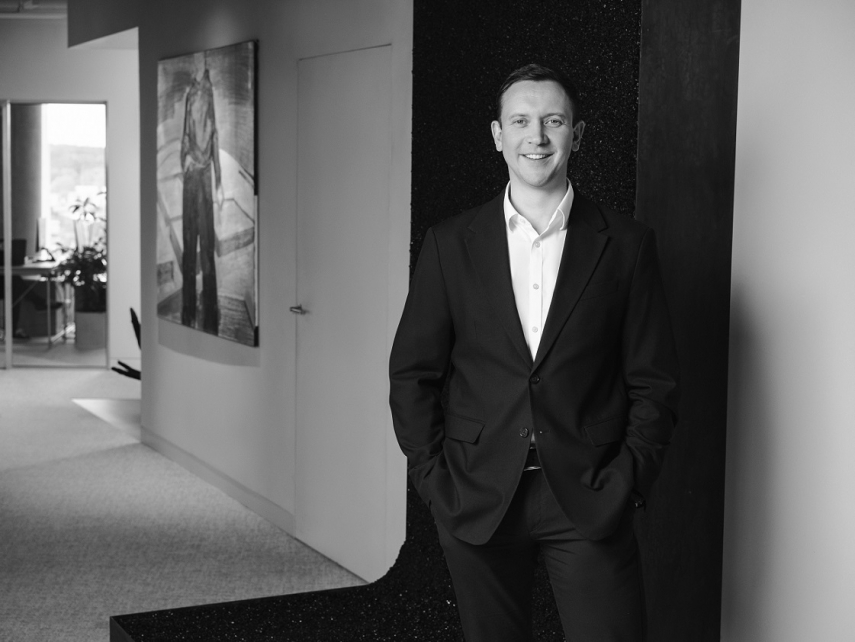
Photo: Demus CEO Mindaugas Liaudanskas
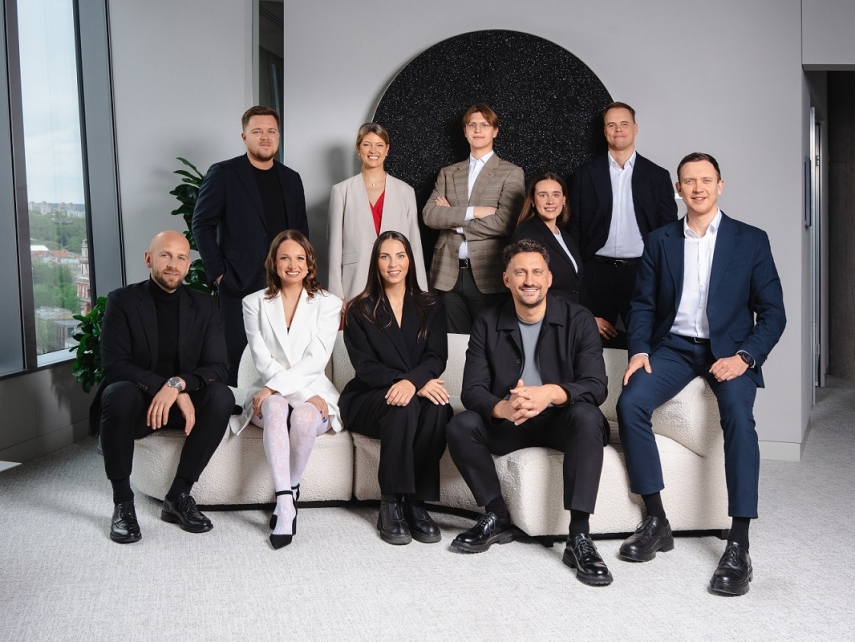
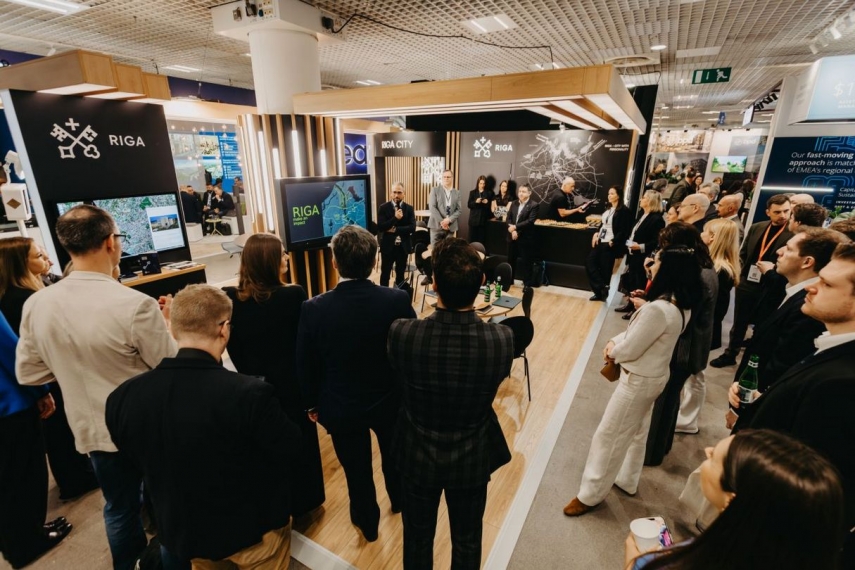
Photo: Demus team
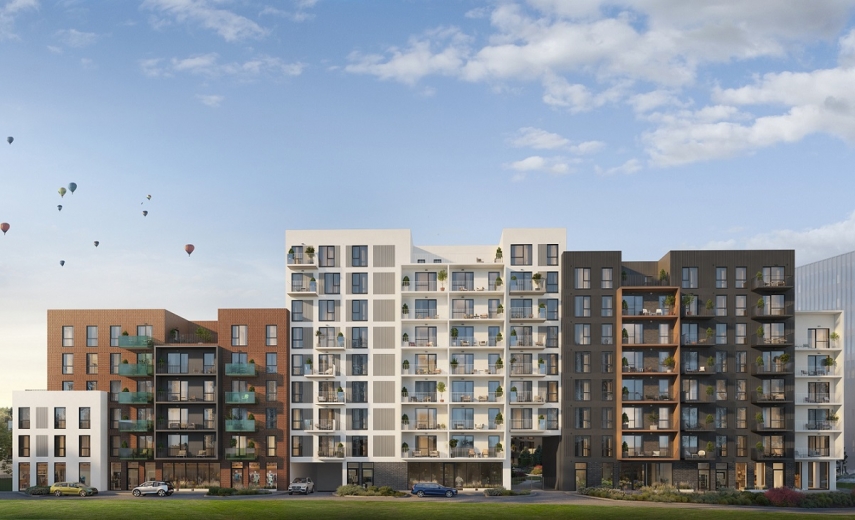
Photo: Demus is set to deepen its core in Lithuanian residential by financing energy-efficient projects in main cities and resort locations
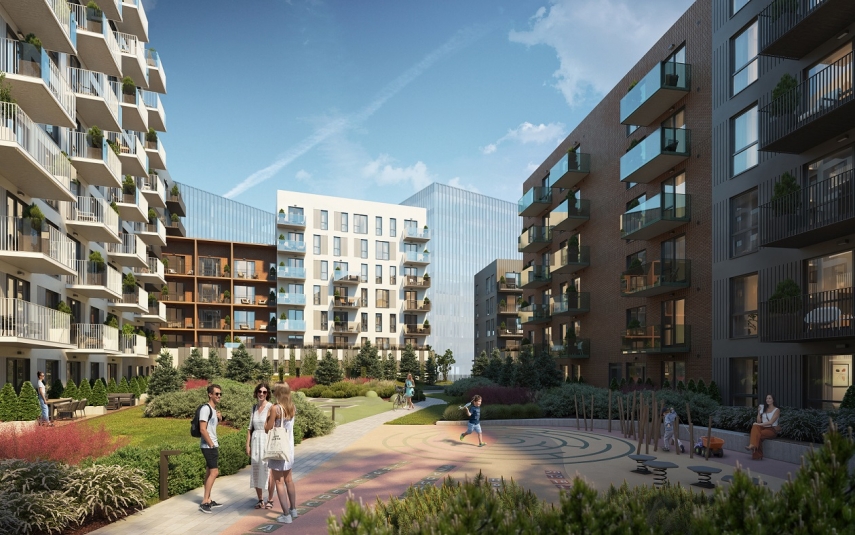
Lithuania’s residential real estate market is evolving rapidly, and Demus Asset Management has emerged as one of the key players shaping its direction. With a focus on disciplined investment cycles and community-oriented development, the company has built a reputation for both reliability and innovation. In this conversation, Demus CEO Mindaugas Liaudanskas offers an inside look at the company’s principles, unique partnerships, especially with Vanagas Group and its CITUS, and strategic priorities driving the company’s growth.
Linas JEGELEVICIUS
Demus has built a reputation for professionalism and strong performance. What principles guide your team when designing and managing investment strategies?
We are specialists in Lithuanian residential real estate, mainly multi-apartment projects rather than chasing every fashionable theme. We apply a strict “sales first” principle: construction is phased according to reservations and sales, avoiding oversupply. We also build in cost buffers and communicate risks clearly to investors.
What was your path to Demus? What do you find unique about the company? And which of your previous experiences do you believe are valuable for the company?
I have spent over a decade in asset management and real estate, including leading a pan-Baltic asset manager. That experience taught me how institutional investors think about risk and governance. I joined Demus for its clear residential focus and the ecosystem within other group companies. What is unique is the combination of a clear liquidity cycle for our investors, strong projects, and know-how across the entire value chain.
Your funds are known for being both efficient and consistently profitable. What are the key strategic decisions that contribute to this stability?
Stability comes from many small choices: we invest mainly in projects where we control the full value chain with experienced partners – from land to sales. We phase projects and let demand dictate the pace instead of building everything at once. We diversify within one theme – Lithuanian residential – across cities and segments, maintain prudent leverage, and constantly stress-test assumptions so portfolios can withstand market cycles.
Demus works closely with CITUS on real estate development projects. How does this partnership enhance the quality and long-term value of the projects you bring to market?
CITUS brings strong capabilities in concept creation, architecture, and placemaking; Demus brings capital, fund structuring, and full institutional governance. Because we sit within the same group, our incentives are aligned across the life of each project. This allows us to choose higher-value locations, insist on energy-efficient materials, and plan neighbourhoods that stay attractive for many years.
With more than 5,000 residents already living – or soon to live – in your projects, what factors do you consider essential for creating value not only for investors but also for communities and cities?
We think on four levels: the flat, the building, the quarter, and the city. For residents, good planning – natural light, storage, parking, sound insulation – is critical. We invest in courtyards, children’s areas, and useful common spaces. For the city, we prefer to regenerate industrial or under-used areas, linked to infrastructure and public transport. When people are proud of where they live, investors benefit through stronger demand and resilience.
Lithuania’s housing market is experiencing a unique moment. What opportunities do you see today that are especially attractive for investors?
After a cooling period, demand and mortgages are recovering while the pipeline of new projects is still constrained. This creates an attractive environment for well-located, energy-efficient housing. We particularly like new-build apartments, rental housing, and selected resort-type projects. For Baltic investors, Lithuania offers a familiar legal environment, the euro, and pricing that still has room to converge with mature European markets.
How does Demus identify and assess high-potential real estate projects in a constantly changing market environment?
We start from demand, not from the land plot. Before investing, we analyse transaction data, competing supply, and affordability in each micro-location and model absorption scenarios. We then test leverage, interest-rate sensitivity, and potential cost overruns. Partner quality and execution capabilities are important. Finally, we look at exit options and liquidity.
In such a competitive and dynamic market, what do you see as Demus’ main advantages as an investment partner?
We are experienced, focused on short cycles, and have delivered competitive performance. Since inception in 2016 we have completed full investment cycles in four funds and are now actively managing a further ten. Our investment cycles typically last three to five years, with return profiles in the mid- to high-teens.
You emphasise offering investors “peace of mind.” What does that mean in practice?
Peace of mind means clarity, structure, and fewer everyday worries. Our funds are backed by tangible assets, explained in straightforward language, and supported by clear rules and reporting. We provide access to diversified portfolios without the burden of day-to-day management.
What does DEMUS mean?
Demus, from “demos” – society – signals that we are opening access to professionally managed real estate to a broader audience. The brand coincides with launching open-ended products and a digital platform, while keeping our core expertise in residential development.
Looking ahead, what strategic priorities will define Demus’ growth?
First, deepen our core in Lithuanian residential by financing energy-efficient projects in main cities and resort locations. Second, scale our open real estate platform and expand rental and income-oriented strategies. Third, broaden our investor base across the Baltics and beyond with transparent, recognisable structures.

Please enter your username and password.

2026 © The Baltic Times /Cookies Policy Privacy Policy