TALLINN - The passenger train operators of the Baltic states - Elron, Vivi, and LTG Link - have announced a joint tender for Rail Baltica regional trains. A total of up to 20 regional trains, capable of reaching a maximum speed of 200 km/h and suitable for the 1,435-millimeter European standard gauge, are planned for procurement.
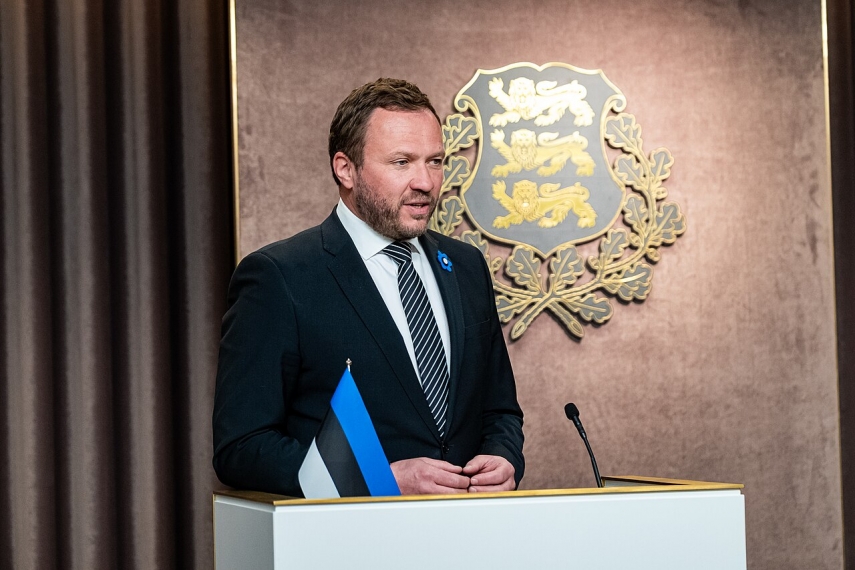
"Rail Baltica is an important project for the Baltic states, as it connects us more strongly with each other and with the rest of Europe. Today's joint procurement confirms that Estonia, Latvia, and Lithuania are moving forward with this work together and with very concrete steps," said Minister of Infrastructure Kuldar Leis. "In addition to better connectivity, Rail Baltica creates more opportunities for Estonian companies and strengthens security along the entire eastern border of Europe. This is precisely why the project has strong European support."
"In close cooperation with Estonia, Latvia, and Lithuania, we are laying the foundation for a modern, fast, and unified Baltic railway network-a network that will strengthen our economies, bring our societies closer, and serve future generations," said Kristaps Zaļais, Parliamentary Secretary of the Latvian Ministry of Transport. "This is not just an investment in trains. It is an investment in connectivity, competitiveness, and our region's common European future. Here, on the northeastern border of the European Union and NATO, connectivity is not just about mobility-it means security, resilience, and strategic autonomy."
According to Lithuanian Minister of Transport and Communications Juras Taminskas, the construction of Rail Baltica is progressing well in Lithuania. "With the first European standard gauge tracks already laid and work now covering a 114-kilometer section, we are preparing with our Baltic neighbors for the next important step-procuring new rolling stock. This is an investment not only in new trains but also in people, making travel faster and more comfortable while also improving regional security."
The procured Rail Baltica regional trains will be used on the 1,435-millimeter infrastructure currently under construction and will enable faster, more comfortable, and more environmentally friendly travel.
"The joint procurement, including options, allows for the purchase of up to 20 electric passenger trains," said Lauri Betlem, Chairman of the Board of Elron (AS Eesti Liinirongid). "Estonia will initially procure five trains, with an option to acquire two more. Under the tender, Latvia can procure up to five trains and Lithuania up to eight."
According to Raitis Nešpors, Chairman of the Board of the Latvian passenger train operator Vivi, the joint train procurement is a significant milestone in the development of Rail Baltica. "The new trains will bring significant benefits to both passengers and operators, improving service quality while allowing for more efficient use of existing resources. Our focus is on enhancing the customer experience while promoting sustainable railway development in the Baltics," Nešpors noted.
According to Kristina Meidė, CEO of the Lithuanian passenger train operator LTG Link, the cooperation strengthens rail connections throughout the Baltic region and brings tangible benefits to both the countries and passengers. "We are particularly pleased to strengthen rail connections throughout the Baltic region-this cooperation brings tangible benefits to both our countries and passengers. These modern regional trains will ensure maximum efficiency on the Rail Baltica line and offer passengers a sustainable and highly competitive alternative to road transport," said Meidė.
According to Anvar Salomets, Chairman of the Board of Rail Baltic Estonia, the construction of the Rail Baltica infrastructure necessary for launching regional traffic is on schedule. "Rail Baltic Estonia's task is to build the railway from Tallinn to the Estonian-Latvian border so that cross-border train traffic can begin in 2030," Salomets said. "The construction of the main line is progressing according to plan, and today's train procurement marks another important step towards restoring international passenger rail traffic in the Baltic region," he explained. "After decades, Estonia will once again have a direct connection to the European railway network. At the same time, this procurement ensures that Rail Baltica will also serve Estonia's regional mobility needs by providing fast local connections."
The tender notice for the Rail Baltica regional trains was published in the Estonian Public Procurement Register. The deadline for submitting bids is May 4, 2026.
At the launch event for the procurement procedure held in Tallinn, the scope of the tender and the main requirements for the Rail Baltica trains were presented. The procurement procedure was conducted jointly by the Baltic passenger train operators (Elron, Vivi, LTG Link) to ensure compatibility with the Rail Baltica infrastructure and smooth cross-border traffic.

Please enter your username and password.

2026 © The Baltic Times /Cookies Policy Privacy Policy