Photo: Alexei from Pixabay
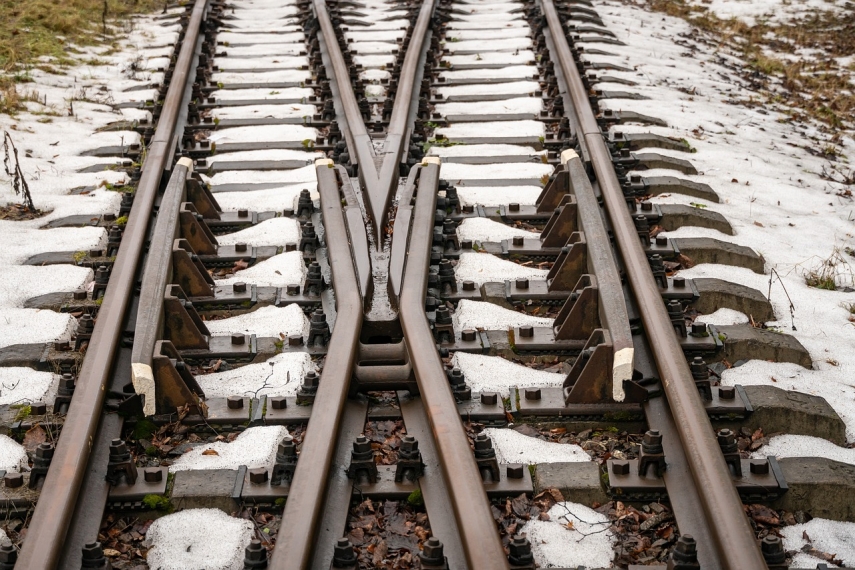
RIGA - If Latvia, Lithuania and Estonia decide to dismantle the rail links with Russia and Belarus, such a decision should be a joint one, the Baltic presidents said following a meeting in Riga on Wednesday.
Estonian President Alar Karis said the countries had talked about the possibility and that if the dismantling of the rail tracks were to go ahead, all three Baltic countries would have to do it together. He argued that the situation differs across Latvia, Lithuania and Estonia and that there is currently transport traffic between Central Asia and other countries, so it would make sense to act in a coordinated way. Karis added that the issue was new and had been referred to government ministers for further discussion.
Lithuanian President Gitanas Nauseda stressed the importance of coordinated action on the Baltic Defense Line and cooperation with Poland, which is also examining the establishment of an Eastern Defense Line. The Lithuanian leader said that the European Commission should consider providing funding in both the short and long term. Giving up the railway tracks to the eastern countries would be part of the anti-mobility measures that the Baltic states are working on, Nauseda said.
Latvian President Edgars Rinkevics stressed that decisions will be taken jointly, but that they have yet to be taken. Work will continue at the government level and will involve military and defense experts. Rinkevics noted that the issue is not limited to railways, as anti-mobility measures include several elements. He pointed out that the Baltic states form a common defense area, therefore, decisions should be taken jointly, and the proposal is to look at the anti-mobility measures and the Baltic Defense Line as a single, comprehensive solution.
As reported, several ministries and security authorities have been instructed to prepare an opinion by the end of the year on the impact of the demolition of the railway tracks on the Russian border on Latvia, commercial TV3 television reported on Sunday.
Rinkevics said that he would discuss the matter with the presidents of Lithuania and Estonia in Riga in early December.
If the government completes its analysis by the end of 2025, the issue will then be discussed by the National Security Council, where both the government and Saeima are represented, said Rinkevics.
TV3 learned that the possibility of cutting the railway tracks in the direction of Russia has been discussed in closed-door meetings in Latvia. According to Latvian and foreign military analysts, the existence of this link is the most immediate security risk.
Military and economic analysts interviewed for the TV program said they believe the existing rail links with Russia are a security threat. It would therefore not take long to dismantle these tracks.
Transport Minister Atis Svinka (Progressives) told the program that the situation needs to be assessed because the removal of the tracks toward Russia will completely stop transit business in Latvia, including for goods from Asia.
International relations and defense researcher Colin Smith told LETA in an interview that in order to strengthen Latvia's military security, at least the unused rail tracks east of Daugavpils to Russia should be demolished, because without the railway Russia's ability to launch an invasion of Latvia would be significantly complicated.

Please enter your username and password.
2025 © The Baltic Times /Cookies Policy Privacy Policy