Photo: Peter H from Pixabay
Have you ever looked at a painting in a museum and felt utterly at a loss? Many people believe that if you don't have an art history degree or some sort of special talent, you will never be able to appreciate art! But learning how to understand art is easier than you think. It only takes a few basic steps.
JSTOR Daily points out that when you focus on the basics (line, form, and color), you start to see what's actually happening in a piece before you worry about what it all means. Once you get the hang of what to look for, art stops feeling so mysterious.
Quick summary: Your art appreciation shortcut
- Trace colors, lines, shapes, and textures
- Take a step back and see how the pieces work together
- Look up the historical context behind the artwork
- Trust your gut and figure out what art means to you
What really stops people from connecting with art
What really stops people from connecting with art
Here's what actually gets in the way: not what you know, but this idea that you need some kind of qualification to have an opinion. Museums can be awkward, that's true. With all that silence and those confusing labels on the wall, you start second-guessing yourself. What if I say something stupid? What if I'm missing the whole point?
But, honestly, nobody's grading you. Art is meant to connect with people, not keep them out. Your first reaction when you see a painting, even if it's confusion or "I don't really like this," is actually the best place to start.
Basic elements that make every artwork tick
Every piece of art has the same set of basic materials. When you learn to identify the elements that comprise art, you will have the tools to understand it better.
Lines create structure and guide your eye through the composition. They may be straight or curved, thick or thin, smooth or jagged. When looking at your work, you should observe if the line is creating a specific direction for your eye to go, or if it is a barrier between sections of space in the composition.
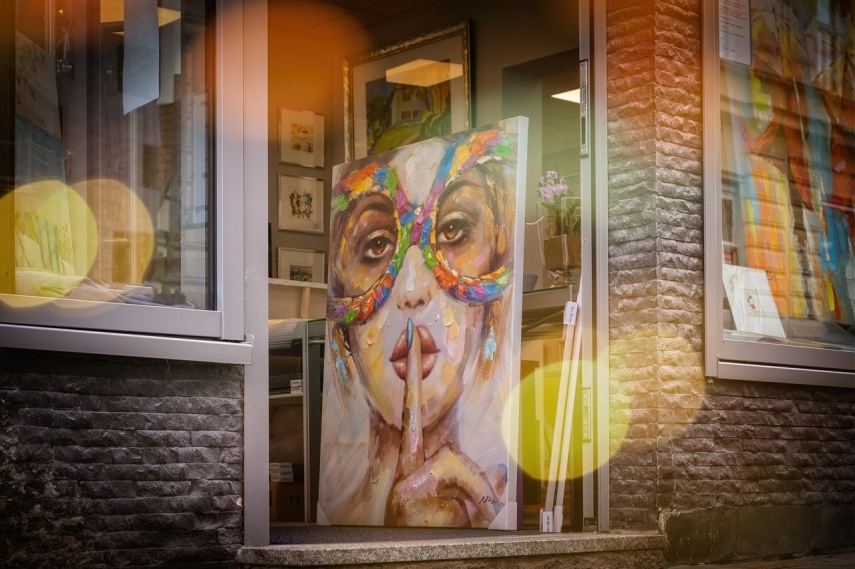
Color affects mood instantly. Warm colors (reds, oranges, yellows) generate energy and heat. Cool colors (blues, greens, purples) create a sense of calm or distance. Learn to discern between dominant and complementary colors to see how they interact.
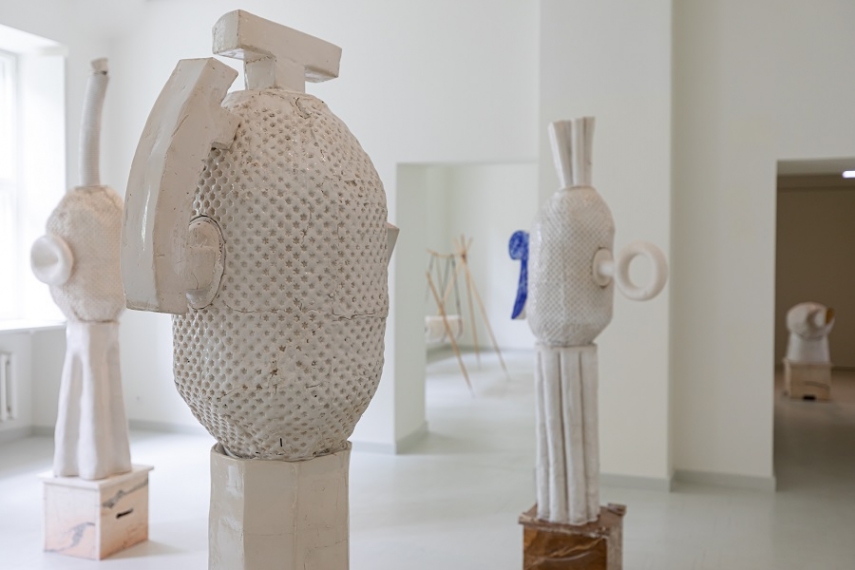
Shape and form organize space within the frame. Geometric shapes feel ordered and intentional. Organic shapes feel natural and flowing. Three-dimensional form creates depth and volume.
Texture can be actual (rough paint on canvas) or implied (the way fabric drapes). Texture adds sensory richness even in two-dimensional work.
Space determines relationships between objects. Is the composition crowded or spacious? Does the background recede or push forward?
A simple four-step method for looking at any artwork
Professional art historians use systematic approaches that you can adopt immediately. No special training needed!
Step 1. Spot the visual components
Start by observing a painting or a sculpture for a couple of minutes. Don't judge or interpret it yet, just "screenshot" what you see with your eyes. For instance, soak in the colors and undertones. Then, move to the lines. Keep going until you grasp the artist's trademark.
By writing down your visual inventory, you'll have the tools to help you understand all the aspects of how the artwork is created, as well as build a way for you to learn how to make your own art.
Step 2. Describe how the whole composition works together
Step back mentally and look at how all the visual elements come together, and in what way they form an overall composition. See where your eye goes first, and what path it follows through the piece. The use of balance and emphasis should be noted as well. One area may be more colourful and detailed than another. These observations reveal how the artist controls your viewing experience.
Step 3. Connect what you see to the broader context
Now, it's time to go a bit further and learn more about the artist, time period, and historical context behind the artwork.
According to Forbes, the visual arts serve as expressions of human creativity, culture, and values that transcend words. Context helps you grasp why an artist made specific choices, but it shouldn't override your direct observations from the previous steps.
Step 4. Interpret the meaning and your personal response
Finally, synthesize everything into an interpretation. What might this artwork express or communicate? What emotions does it trigger in you? Your personal response carries weight here. There's no single "right" answer to what art means.
Some questions to consider:
- What mood or atmosphere does this piece create?
- If you had to describe this artwork to someone who couldn't see it, what would you emphasize?
- Does it remind you of anything from your own life or experience?
Making art appreciation a regular habit without overwhelm
Here's what works: showing up regularly beats going all-in once. You know how you feel wiped out after spending three hours wandering around a museum? Five minutes where you're actually paying attention will teach you more than that whole exhausting afternoon.
If your schedule's already packed and you're worried you're missing out on this stuff, there are apps that let you swap out scrolling time for actual learning. Nibble breaks art appreciation (plus tons of other subjects) into quick bits you can do whenever you have a spare minute, waiting for coffee, on the bus, wherever.
The lessons actually make you do something instead of just reading at you, so things stick in your head without feeling like homework.
You can practice this anywhere, by the way:
- Study an album cover or book illustration as a form of art
- Consider how advertising utilizes color and layout
- Check out local galleries for free entry days
- Subscribe to museum pages on social media
Why art literacy matters beyond museum visits
Art literacy helps you see the beauty of your surroundings. Visual analysis skills transfer directly to reading graphs, evaluating design choices, and communicating with images. In our current world, where visuals dominate communication, visual fluency matters as much as verbal fluency.
Forbes research indicates that art provides opportunities for reflection, cultivates group identity, and triggers creativity that benefits organizations and communities.
Art also offers a perspective on human experience across time and cultures. A Renaissance portrait and a contemporary photograph both reveal how people saw themselves and their world. And surely, building broader knowledge across topics helps you grasp how different fields connect and inform each other.
Moving forward with confidence
Getting comfortable with art doesn't require natural talent or years of study. It requires a willingness to look closely, ask questions, and trust your observations. The four-step method gives you a reliable framework for approaching any artwork.
Still unsure how to understand art? Start small! Pick one painting you find interesting and spend five minutes working through each step. Notice how much more you see by the end than you did at the beginning. That progression from confusion to clarity happens every time you practice these techniques.
Apps, books, and online resources make art education more accessible than ever before. Take advantage of these tools to build skills at your own pace. Replace screen time that leaves you feeling drained with short Nibble lessons that keep your mind active.
The goal is to enjoy and engage with visual culture more fully while becoming more well-rounded overall.
And with consistent practice and the right methods, that goal sits well within reach.

Please enter your username and password.

2026 © The Baltic Times /Cookies Policy Privacy Policy