Photo: Julius Silver from Pixabay
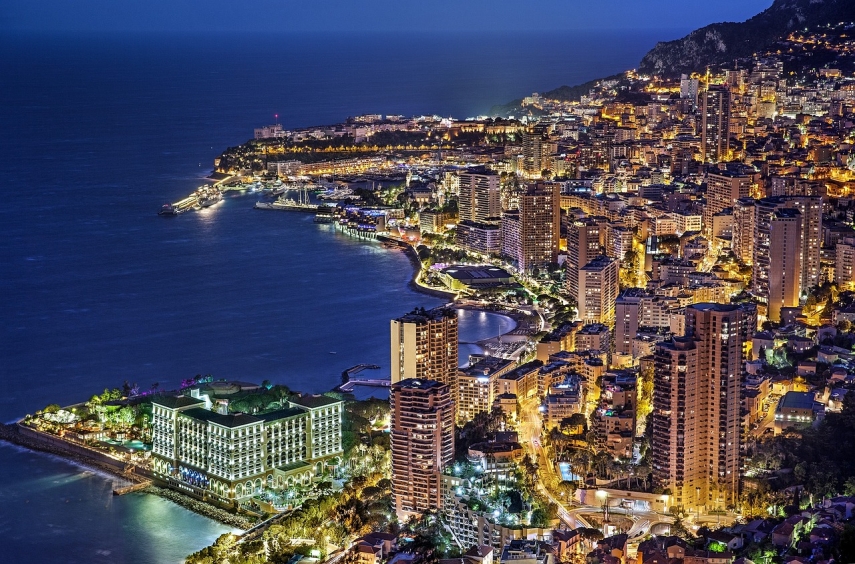
In a world where urban land is becoming increasingly scarce, few places illustrate the challenges of density as clearly as Monaco. With its limited territory, steep topography, and growing demand for residential and commercial space, the city-state has been forced to rethink conventional approaches to urban development. By examining Monaco’s built environment – its architecture, infrastructure, and spatial organisation – urban planners can gain valuable insights into how dense cities can remain functional, adaptable, and liveable despite severe physical constraints.
Building Up, Not Out: Vertical Architecture as a Planning Strategy
With little room for horizontal expansion, Monaco has long relied on high-rise residential and mixed-use buildings as a core element of urban planning. Vertical development allows the Principality to accommodate housing, offices, retail, and leisure within a compact footprint. Architects address liveability through thoughtful layouts, natural-light optimisation, terraces, and shared amenities that reduce the perception of density. Many developments combine luxury residences with public or semi-public spaces, reflecting a layered approach to urban use. From a contemporary property development perspective, platforms such as icon-property.com highlight how vertical architecture can align market demand with efficient land use in dense urban contexts.
Engineering Solutions for Extreme Constraints
Monaco’s built environment is shaped by complex engineering responses to steep terrain and reclaimed coastal land. Construction relies on advanced foundation systems, deep piling, and structural reinforcement to ensure stability in challenging conditions. A significant portion of transport routes, utilities, and parking infrastructure is located underground, freeing surface space for buildings and public use. Engineering design also accounts for seismic risk, coastal exposure, and long-term environmental pressures, requiring a high level of technical precision and planning integration.
Space Optimisation Through Mixed-Use and Multi-Layered Planning
Space optimisation in Monaco relies on mixed-use and multi-layered planning that brings residential, commercial, leisure, and transport functions into close proximity. Urban zoning extends vertically, with underground levels accommodating parking, transit routes, and technical infrastructure. Efficient circulation systems, including elevators, pedestrian links, and tunnels, connect the city's different layers and support smooth movement despite its density. This approach limits horizontal sprawl while maintaining functional accessibility within a highly compact urban environment.
Public Space in a High-Density Environment
In Monaco, public space is reimagined through terraces, rooftops, and elevated plazas that add recreational and social areas without expanding the city’s footprint. Vertical green spaces, such as rooftop gardens and landscaped terraces, enhance urban comfort by providing visual relief and environmental benefits. Careful planning ensures these spaces remain accessible and inviting, preserving a sense of openness despite extreme land constraints. By integrating greenery and communal areas into vertical structures, Monaco demonstrates how high-density cities can balance functionality with quality of life.
Lessons for Urban Planners in Growing Cities
Monaco offers urban planners valuable lessons for managing dense metropolitan areas. Its approach highlights the importance of long-term planning and flexible regulations that allow innovative solutions in architecture, engineering, and land use. By integrating mixed-use development, efficient circulation, and creative public spaces, the Principality demonstrates how high density can coexist with quality of life and environmental sustainability. Thus, cities facing space constraints can draw inspiration from Monaco’s strategies to balance growth, functionality, and livability in increasingly crowded urban environments.

Please enter your username and password.


2026 © The Baltic Times /Cookies Policy Privacy Policy