Photo: KnightHAL0 from Pixabay
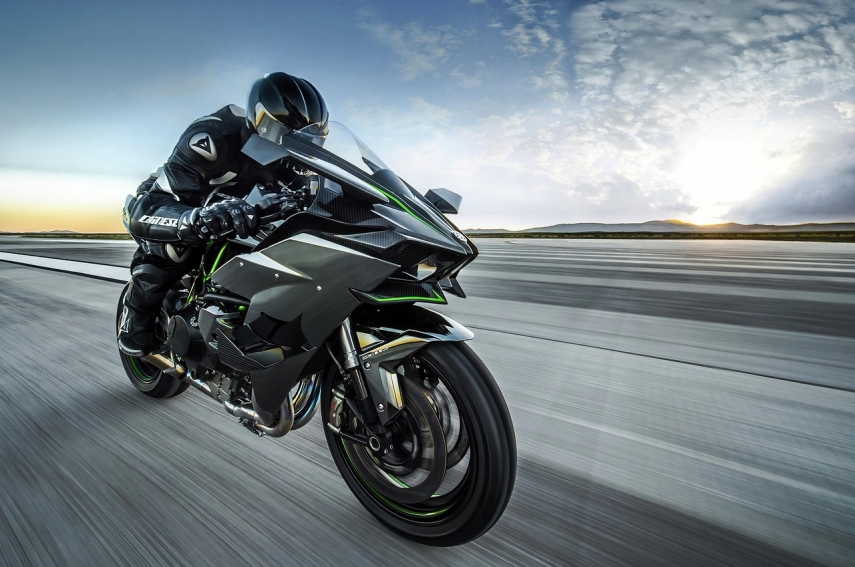
In the Baltic states, two wheels tend to fit the rhythm of life. The distances between cities are manageable, the countryside is never far away, and once the weather turns, you can go from weekday commuting to weekend exploring in the same season.
For many riders, a short evening ride is not just transport - it is a reset: coastline roads, forest tracks, small towns, and the kind of backroads that make you slow down on purpose.
That growing appeal is easy to see in the number of motorcycles, scooters, mopeds, and ATVs on the road. What first-time buyers often underestimate is the price gap between “I want one” and “I can comfortably own one.” A used bike can still be a meaningful purchase. Newer models, ATVs, and side-by-sides can quickly reach what people mentally file under “car money.” And unlike a car, the real cost of ownership can feel less obvious at the start.
Financing is the bridge many people use - ideally not to stretch beyond their means, but to make a sensible purchase without emptying savings or choosing the cheapest machine simply because it is the only one reachable with cash.
Why two-wheel and recreational vehicles are gaining ground
The reasons are not complicated, but they are layered. In the Baltics, the popularity of two-wheel vehicles and ATVs is driven by a mix of practical needs, lifestyle choices, and household budgeting.
On the practical side, scooters and smaller motorcycles are often used as city tools. Parking is easier, traffic is less painful, and fuel costs tend to be lower in daily use. Many people also treat a bike as a seasonal solution - spring through autumn riding, then switching back to a car when winter becomes the dominant reality.
Lifestyle plays a big role too. Group rides, short touring trips, and a growing interest in off-road exploration have pulled more people into the hobby. Adventure and enduro models have become particularly attractive because they match the region’s geography and road variety - paved highways are only part of the story.
ATVs and side-by-sides often sit in a different mental category. For some buyers they are recreation, for others they are equipment. Rural property work, forestry tasks, towing small loads, and seasonal jobs create a use case where the vehicle is not a toy, but a tool. That difference matters, because it changes how people think about paying for it.
What it really costs to own a bike or ATV
The purchase price is only the entry fee. Ownership cost is where new riders get surprised - not because any single item is shocking, but because they stack up.
A good way to think about it is “bike cost” versus “riding cost.” The bike is one line in the budget. Riding is the full package.
The costs people forget to plan for
- Protective gear: helmet, jacket, gloves, boots (and ideally back protection)
- Insurance and paperwork
- Maintenance: tires, chain and sprockets, service intervals, brake pads
- Seasonal storage if you do not have a garage
- Accessories that become “necessary” after a few weeks: luggage, phone mounts, heated grips, crash protection, navigation
A simple rule that saves regret: if it is your first motorcycle, leave room in the budget for the setup. It is easier to enjoy a modest bike with proper gear than a more expensive bike paired with uncomfortable compromises.
The main financing options you see in the Baltics
Most financing routes fall into familiar categories. The differences are less about labels and more about what you value most: ownership, flexibility, speed, or low monthly payments.
1) Consumer loan (common for used bikes)
This is the straightforward route. You borrow, buy the vehicle, and repay monthly. You own the bike from day one, which matters if you want freedom to sell or upgrade whenever you choose.
Best for:
- Used bikes bought from private sellers
- Buyers who want immediate ownership
- Riders who may sell sooner than planned
Watch for:
- Rates that vary significantly depending on your profile
- Monthly payments that look fine until you add insurance and maintenance
- Fees hidden in the fine print (contract or administration costs)
2) Leasing (popular for newer vehicles)
Leasing is often tied to dealerships or partner lenders and tends to be smoother for new or nearly new models. Monthly cost can be predictable, and the agreement feels structured.
Best for:
- New motorcycles and ATVs
- Buyers who prefer a clear monthly plan
- People who like fixed terms and defined conditions
Watch for:
- Early termination penalties
- Insurance and maintenance requirements
- Buyout terms at the end of the lease (this is where surprises happen)
3) Dealer-arranged financing (fast, convenient)
Dealers often offer financing through partners and handle the paperwork. For many buyers, the value is speed and simplicity.
Best for:
- People who want a one-stop process
- Buyers purchasing new vehicles through a dealer
- Those who prefer guidance through paperwork
Watch for:
- Limited choice - you see what the dealer offers, not the whole market
- Extras quietly added into the monthly payment
- “Convenience” that can increase total cost without feeling obvious
4) Financing extras (gear, accessories, service packages)
Some buyers include riding gear or accessories in the financing. It can be practical, especially if gear is essential for immediate use, but it also increases the loan amount.
Best for:
- Buyers who need gear immediately and prefer one monthly payment
- Situations where the add-ons are truly necessary
Watch for:
- Small extras that grow the total cost more than expected
- Paying interest over a long period for items that wear out faster than the vehicle
Why motorcycles and ATVs are financed differently than cars
Car financing is a well-worn path. Two-wheel and recreational vehicle financing can be less standardized, partly because the market behaves differently.
A few factors shape how lenders view these vehicles:
- Seasonality: demand typically rises in spring and summer, and slows in winter
- Resale volatility: some models hold value well, others do not
- Risk perception: some lenders see motorcycles as higher risk than cars
- Market fragmentation: many brands, many categories, wide price range
This is why offers can vary not just by lender, but by vehicle type. Scooters and mopeds often sit in smaller, shorter-term financing brackets. ATVs and side-by-sides can be treated more like utility equipment, with longer terms. Touring and adventure bikes sometimes get evaluated differently than sport models.
Why comparing offers matters more than people think
Most buyers focus on one number: the monthly payment. It is understandable. That is the number you feel every month.
The problem is that two offers with identical monthly payments can lead to very different total costs. A lower payment can be the result of a longer term, higher fees, or less favorable repayment conditions.
What to compare (beyond the headline)
- Total repayable amount (the real cost, not just the monthly cost)
- Interest rate and any additional fees
- Term length (longer often means higher total cost)
- Early repayment rules and penalties
- Insurance requirements and restrictions
- Down payment expectations
- Missed payment penalties
The most common expensive mistake
A buyer chooses a longer term to keep payments comfortable, then forgets that:
- they are paying interest for longer
- the total cost rises quietly
- riding costs (fuel, maintenance, gear, repairs) still exist regardless of term
A monthly payment can tell you if you can survive the month. Total cost tells you if you made a smart decision.
Where to start when comparing financing options
Many buyers begin with a dealer conversation because it feels concrete. That is fine, but it can also narrow your view early.
A more balanced approach is to first understand what the broader market might offer, then bring that knowledge into the purchase conversation. Some buyers use comparison platforms such as MotoLizings.lv as a starting point to view different financing paths across motorcycles, scooters, and ATVs before committing to a dealer-specific offer.
The goal is not to chase the lowest number at any cost. The goal is to avoid choosing blindly.
A buyer’s checklist: finance your ride responsibly
This is the part that matters most, because it prevents the “excited decision” that becomes a long-term financial annoyance.
Step 1: Define the real use case
Write down what you actually need the vehicle for:
- Commuting in the city
- Weekend rides and short touring
- Longer touring and two-up riding
- Off-road exploration
- Utility work (property, forestry, towing)
Reality check questions:
- Is this a daily tool or a seasonal hobby?
- Will you ride in bad weather, or only when it is perfect?
- If this is an ATV, is it truly utility-first or mostly recreation?
Step 2: Build an “all-in” monthly budget (not just the loan)
List the full monthly cost you are willing to carry:
- Monthly payment
- Insurance
- Fuel
- Maintenance buffer (set aside something, even small)
- Gear and accessories budget
Practical rule: keep a buffer for tires and repairs. Tires can be a painful surprise if you did not plan for them.
Step 3: Decide on a down payment strategy
A bigger down payment often:
- lowers monthly payments
- improves offer quality
- reduces total cost
But do not drain your emergency fund to do it. A bike is fun. Financial panic is not.
Step 4: Choose a term that fits your life, not your excitement
Use this as your mental model:
- shorter term: higher monthly, lower total cost (usually)
- longer term: easier monthly, higher total cost (often)
If you choose a longer term, make it a deliberate decision - not something you accept because it makes the number look friendly.
Step 5: Compare offers using the same inputs
To avoid getting manipulated by framing, compare offers using the same assumptions:
- Same down payment
- Same term length
- Same vehicle price
- Same insurance expectations
Then compare total repayable amount and conditions, not marketing language.
Step 6: Apply intentionally (avoid scattershot applications)
Before you apply anywhere, know:
- your acceptable monthly payment range
- your maximum “all-in” monthly cost
- your preferred term and down payment
This stops the common scenario where excitement pushes you into a decision you would not approve of on paper.
New vs used: the financing trade-offs
The “new vs used” choice is not only about price. It changes risk, flexibility, and the shape of financing offers.
Financing a used bike
Pros:
- Lower purchase price
- Depreciation is often slower if you buy smart
- Great value if you choose carefully
Cons:
- Condition varies widely
- Maintenance risk is higher
- Financing can be less flexible depending on seller and documentation
Financing a new bike or ATV
Pros:
- Warranty and predictable condition
- Dealer support and smoother paperwork
- Often cleaner financing workflows
Cons:
- Higher price and higher temptation to over-borrow
- Faster depreciation for some models
- Add-ons can push the total cost up quickly
A small but useful mindset shift: when buying new, do not just ask “Can I afford the monthly payment?” Ask “Will I still be happy with this payment in six months when the excitement is normal again?”
Final thoughts: ride free, finance smart
Two-wheel life is about freedom, but the real freedom is riding without stress. The best outcome is not simply getting the keys - it is enjoying the vehicle without quietly resenting the payment.
If you keep the basics in place, most mistakes become avoidable:
- Plan ownership cost, not just purchase price
- Compare financing structures, not just monthly payments
- Choose terms that protect your budget
- Keep a buffer for gear and maintenance
- Enter the buying process informed, not rushed
Do that, and you will spend more time riding - and less time thinking about money.

Please enter your username and password.

2026 © The Baltic Times /Cookies Policy Privacy Policy