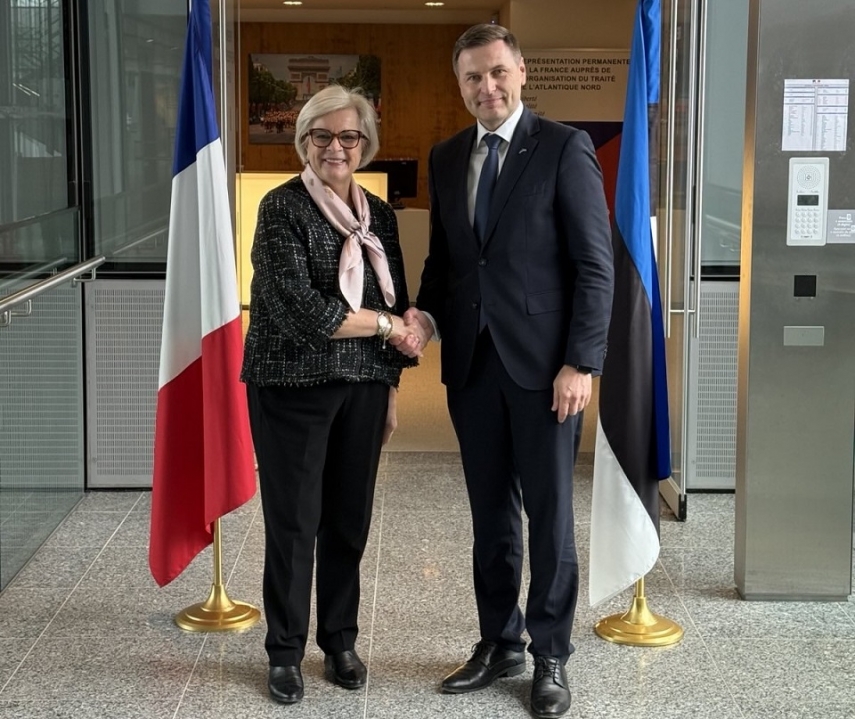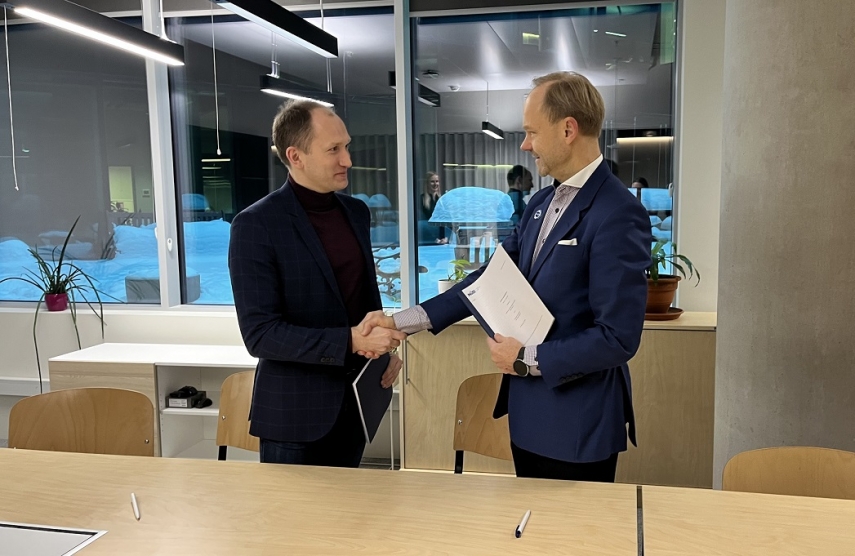
TALLINN - Foreign Minister Margus Tsahkna delivered Estonia's annual foreign policy address to the Riigikogu (parliament) on Tuesday, noting, among other things, that Estonia's goal is peace in Ukraine, but not of the Munich or Yalta variety.
In his speech, Tsahkna emphasized that now, in 2026, we are no longer speaking of a hint of an era's end, but of the end of an era itself. "The rules, agreements, and customs that once held may no longer apply; the old is gone, but the new-what will replace it-is still vague."
The Foreign Minister stated that the goal of Estonian foreign policy is freedom, and to preserve Estonia's freedom, it is necessary to shape a supportive international environment. "We want rules for international life that help preserve Estonia's freedom."
Tsahkna affirmed that Estonia will continue its military assistance, political support, humanitarian aid, and reconstruction efforts for Ukraine. In 2027, Estonia will host the Ukraine Recovery Conference in Tallinn. "Let us not think that we are helping Ukraine only for Ukraine's sake-we are doing this primarily for Estonia's sake," he said, adding that Estonia's goal is a just and lasting peace in Ukraine, not one reminiscent of the Munich or Yalta agreements. "This can only be achieved if support for the victim increases and pressure on the aggressor grows."
"Estonia is working to raise the price of aggression for Russia with new sanctions and to prevent the circumvention of sanctions, including our goal of imposing a complete ban on maritime services for ships carrying Russian oil," Tsahkna said. He called on EU member states to close Europe's doors to individuals who participated in Russia's war of aggression and add them to the Schengen blacklist. "We do not want to see today's criminals as tomorrow's tourists on our streets," he stated.
Tsahkna highlighted that security and freedom also depend on connectivity, strategic economic resilience, and technological development. He stressed the importance of shaping regulations for critical raw materials, infrastructure connections, and artificial intelligence, noting that technology governance is increasingly a security issue in today's world.
Concluding his speech, Tsahkna emphasized the importance of Estonia maintaining a clear and consistent message: "We must tell our own story. Otherwise, it will simply go untold. We cannot afford that."

Please enter your username and password.

2026 © The Baltic Times /Cookies Policy Privacy Policy