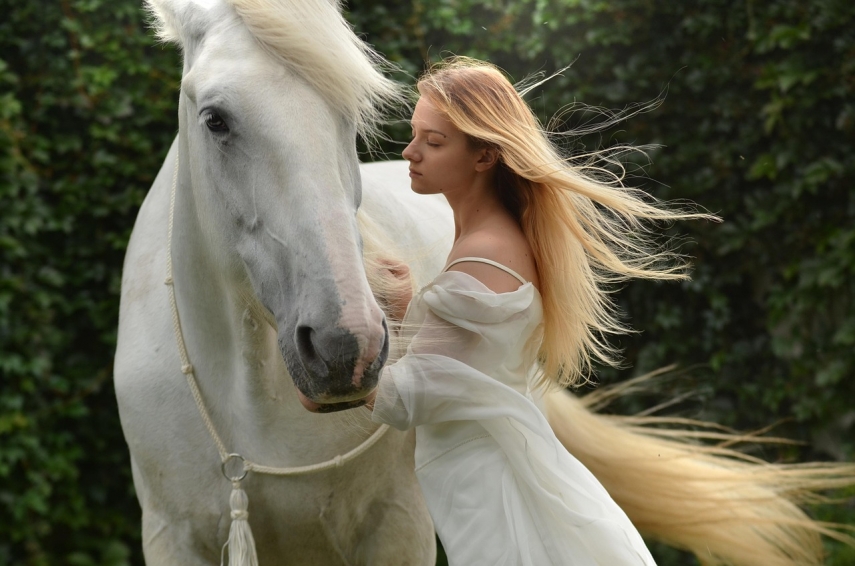
Photo: Dorota Kudyba from Pixabay
Fashion has always moved in cycles, and lately, we’ve seen a strong return to romantic, fluid silhouettes that emphasize movement and softness. Structured minimalism still holds its place, but there’s growing appreciation for garments that feel expressive and effortless. Pieces like a designer maxi dress embody this shift perfectly offering length, elegance, and versatility without feeling overly formal or restrictive.
Why Romantic Silhouettes Feel Relevant Again
After years dominated by ultra-minimal tailoring and sharp lines, fashion is leaning back toward fluid shapes. This doesn’t mean abandoning structure altogether, but rather balancing it with softness. Flowing hemlines, draped fabrics, and relaxed fits create garments that feel dynamic instead of rigid.
Long, fluid silhouettes provide visual impact while maintaining comfort. They move with the body, catch the light, and create presence without demanding attention. This type of dressing aligns well with modern lifestyles that prioritize ease without sacrificing refinement.
The Role of Movement in Style
Movement is often overlooked when discussing fashion, yet it dramatically influences how clothing feels. Garments that sway or drape naturally create dimension and fluidity. Designers carefully consider fabric weight and cut to ensure garments move gracefully rather than appearing heavy.
Lightweight crepe, silk blends, chiffon, and fine cotton allow for fluidity without losing structure. When these fabrics are shaped thoughtfully, the result feels intentional rather than oversized.
Movement also enhances versatility. A flowing garment can feel casual with flats or refined with heels, depending on styling.
Balancing Softness with Structure
Romantic dressing doesn’t mean abandoning polish. The most modern interpretations balance softness with tailored elements. A flowing silhouette paired with structured outerwear creates contrast and interest.
For example, layering a fluid dress beneath a sharp blazer creates tension between soft and strong elements. The juxtaposition feels current and adaptable.
Accessories also play a role. Structured handbags, minimalist jewelry, and clean footwear keep romantic silhouettes grounded.
Color and Texture in Romantic Dressing
Color palettes for romantic dressing often lean toward neutrals and muted tones ivory, soft gray, camel, navy though deeper shades like emerald or burgundy can add richness.
Texture adds subtle complexity. Matte fabrics combined with light-catching materials create depth without overwhelming the eye. Designers frequently use pleating, subtle gathers, or draping to introduce texture without relying on bold prints.
This refined approach ensures longevity beyond seasonal trends.
Styling for Everyday Wear
Romantic silhouettes are not limited to events. With thoughtful styling, they integrate easily into everyday life. Pairing longer hemlines with flat sandals or boots makes them practical for daytime settings.
Layering with knitwear in cooler months adds warmth and dimension. Belting can adjust proportion and create shape when desired.
The key is restraint allowing the silhouette to remain the focal point while keeping accessories streamlined.
Why Fluid Dressing Endures
Fluid dressing appeals because it merges comfort and elegance. It feels expressive without being theatrical. In fast-moving lives, clothing that moves naturally and adapts easily becomes increasingly valuable.
Rather than following rigid fashion rules, romantic silhouettes encourage individuality. They allow the wearer to interpret softness in their own way whether minimalist or bold.
Ultimately, fashion thrives on balance. The return of fluid shapes signals a desire for garments that feel intentional yet effortless, structured yet soft.
And that balance is precisely why romantic dressing continues to evolve while remaining timeless.

Please enter your username and password.

2026 © The Baltic Times /Cookies Policy Privacy Policy