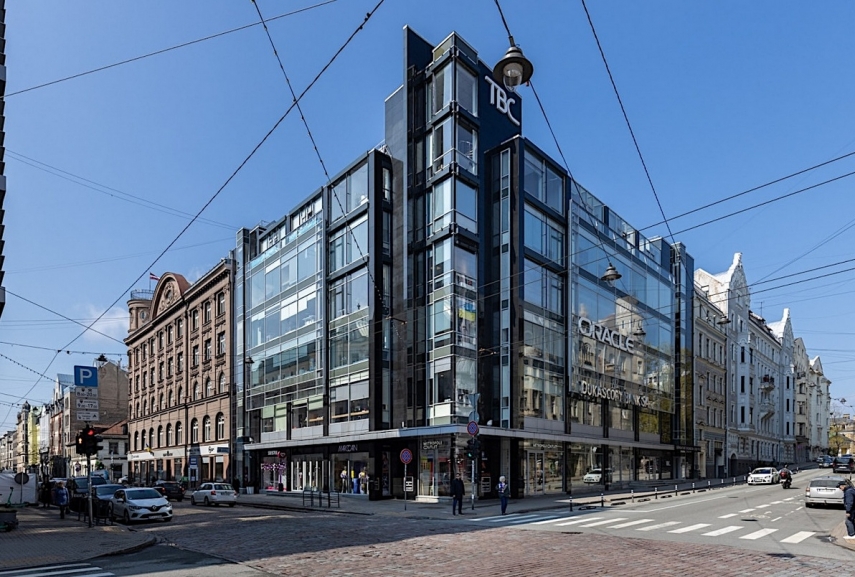
The real estate sector has undergone significant transformation in recent years. A sharp rise in energy prices, driven by geopolitical tensions, supply chain disruptions, and the shift towards renewable resources, along with the goals of the European Green Deal and growing investor demand for sustainable solutions, is reshaping the industry's development. Sustainability is no longer just a trend, it has become a key factor influencing property value, market demand, and overall competitiveness, says Arnolds Romeiko, Asset Manager at EfTEN Capital.
“A few years ago, sustainability in commercial real estate mostly meant insulating buildings or installing solar panels. Today, it covers a much wider range. Sustainability now means not only reducing environmental impact, but also making sure properties remain financially viable in the long term. The latest EU (European Union) directives and the goals of the European Green Deal, such as cutting greenhouse gas emissions and improving energy efficiency, are already setting new rules that the real estate sector can no longer ignore,” explains A. Romeiko.
Energy efficiency – A key factor for tenants and investors
For commercial property owners and developers, implementing sustainability standards in projects is becoming a critical element of competitiveness. Companies and their employees increasingly value not only the functionality and safety of a building, but also its energy efficiency, which directly impacts day to day operating costs, including rent, utilities, and maintenance. As sensitivity to costs grows, the total cost of maintaining a building is becoming one of the main criteria when choosing office space.
For property owners, maintaining high asset value and securing a stable return on investment is essential. Investments in energy efficient solutions, such as renewable energy, automation, and smart sensor technologies can deliver higher long-term returns and allow for more competitive rental pricing. Moreover, sustainable properties are in greater demand among both investors and tenants. They tend to lease up more quickly, carry lower regulatory risks, and offer greater long-term stability compared to outdated and inefficient buildings.
Sustainability principles as a new financing criterion
Sustainability is increasingly becoming a key consideration not only for tenants but also for banks and investors. These stakeholders are setting clear ESG (Environmental, Social, and Governance) targets, and properties that meet these criteria often qualify for more favorable financing terms, such as lower interest rates or tailored loan structures. In addition, banks are required to report on the sustainability performance of their lending portfolios, which further drives consistent demand for “green” properties.
Sustainability – Long-term thinking that pays off
Sustainable development in the real estate sector is not only about responsibility toward the environment and society, but also a strategic economic choice. New buildings constructed in recent years already meet the latest energy efficiency standards, giving them a significant competitive edge.
Investors are often willing to accept a slightly lower return on capital if the property offers higher long-term value, reduced risk, and a stronger reputation. Even beyond regulatory requirements, sustainability is increasingly becoming standard practice. Companies that successfully integrate this approach early will not only set an example for others but also gain a lasting competitive advantage.
“Sustainable construction and property management are no longer just trends, they are economically justified necessities. Through smart technologies, efficient resource use, and thoughtful solutions, it is possible to make real estate work for people, rather than people working for the property,” says A. Romeiko.
About EfTEN Capital
EfTEN Capital is a leading real estate fund management company in the Baltic region, focusing on commercial real estate investments and offering comprehensive asset management services. With a solid track record in diversified property portfolio management, the company aims to provide investors with attractive returns while focusing on responsible investment practices.
"EfTEN Capital's Latvian portfolio includes: Domina Shopping shopping centre, office complex Jaunā Teika, office buildings Tērbatas Biznesa Centrs, Duntes biroji and Blaumaņa Centrs, headquarters of the Latvian national airline airBaltic, logistics centres "EfTEN Logistics Berģi", "EfTEN Logistics Piepilsētas", "EfTEN Logistics Ķekava" and "DSV logistics centre", business and industrial complex "Tehnoloģiskais parks Jūrkalne" and shopping centre "RAF Centrs" in Jelgava.
More at: www.eften.lv and on Facebook and LinkedIn.

Please enter your username and password.

2026 © The Baltic Times /Cookies Policy Privacy Policy