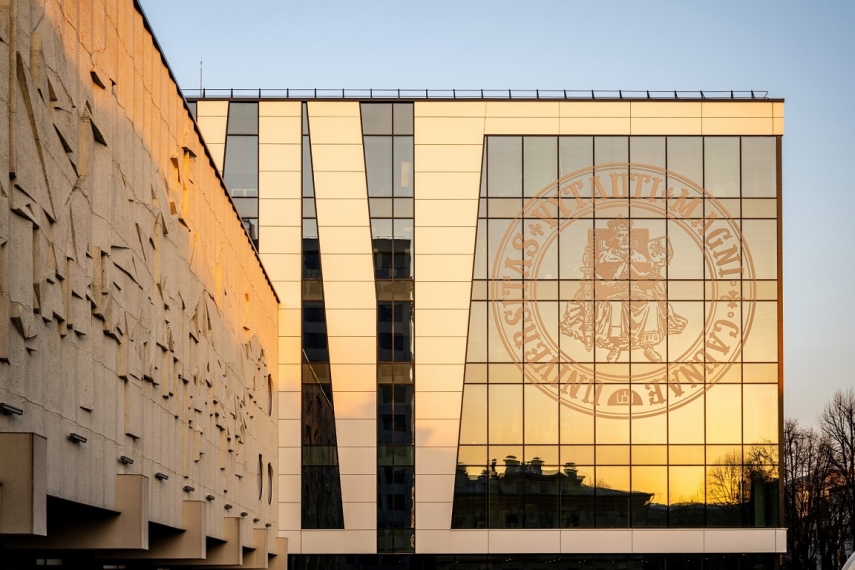
Consistently ranked among Lithuania’s leading universities in terms of internationality, Vytautas Magnus University (VMU) offers all students, regardless of their chosen study programme, a unique opportunity to explore the world while studying: to go abroad for studies or an internship free of charge. This is a well-rounded experience that not only benefits students’ future careers, but also broadens their horizons, encourages personal growth, develops language skills, and builds self-confidence.
The benefits outweigh any challenges
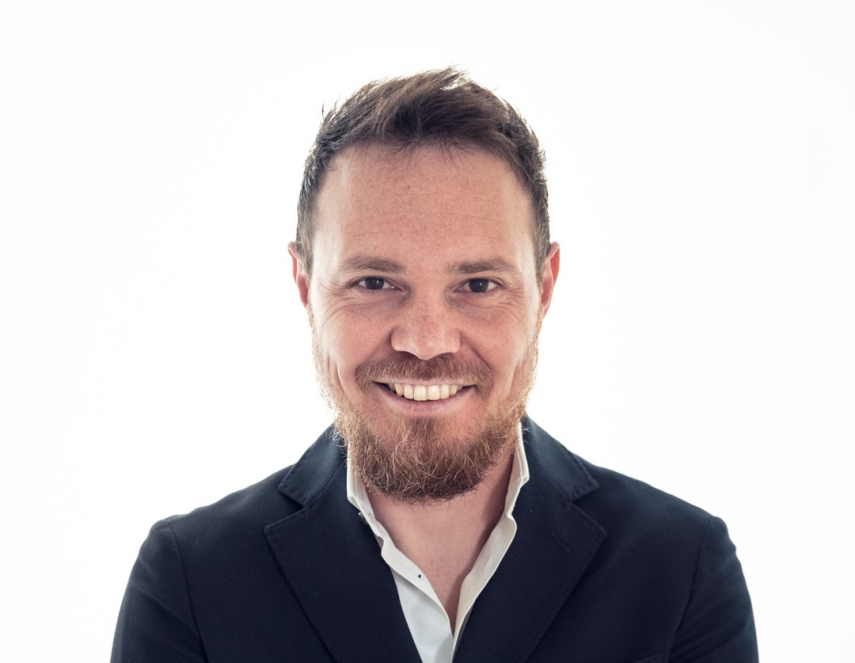
Over the past year and a half, Mantas Bonda, a third-year Bachelor’s student at the Faculty of Political Science and Diplomacy at VMU, has managed to complete an internship at the Embassy of the Republic of Lithuania in Rome and study politics at the University of Milan, and is currently continuing his studies in political science at the University of Regina in Canada.
During his internship in Rome, he helped organise cultural events, collaborated with the cultural attaché, translated various documents and interpreted during in-person meetings. One of the most memorable experiences was interpreting for Lithuania’s Minister of Foreign Affairs Kęstutis Budrys. “It was my first internship, and to be given that level of responsibility straight away was quite daunting, but at the same time it was an invaluable experience,” Mantas recalls.
He advises anyone considering international mobility in other countries to get to know students from those countries studying at VMU. “If you’re thinking about France, Italy, or Spain, there are plenty of students from those countries at VMU. It’s easy to strike up a connection with them and they’re always looking for people to spend time with,” the student advises.
What surprised Mantas most when he arrived in Canada was that Canadians, although colder and calmer in manner than Italians, are nevertheless incredibly friendly. “You walk into a store and everyone asks you how you’re doing, how your day is going. You don’t even know whether they expect a full answer, whether you’re really supposed to start telling them what you’re doing and why you’re buying those particular items. In the first few days, it felt very unusual,” Mantas recalls, adding that the benefits of mobility outweigh any challenges.
From studying and travelling to self-discovery
Raminta Šėžaitė, a student at the Faculty of Social Sciences at VMU, spent a semester studying at the University of Ljubljana in Slovenia through the Erasmus+ exchange programme. “I feel that I’ve grown as a person and gained new experiences and new friends from all over the world. Most importantly, I’ve come to understand myself much better. I enjoy meeting new people and communicating in English, so I’ve gained more courage and self-confidence. This is something I need in social work practice,” Raminta notes.
At the University of Ljubljana, she was able to broaden her knowledge of criminology, palliative social work, and other areas that are important for her future career, as well as interact directly with students from all over the world. It was equally valuable and interesting to travel around the Balkan region, visiting both tourist destinations and lesser-known spots in Slovenia and neighbouring countries.
“Nature lovers will find everything here. For example, I took a train ride through the impressive Postojna Cave, visited Lake Bohinj, among other lakes, and enjoyed the tranquillity of the mountains, as well as the landscape, which is very different from that of Lithuania,” Raminta says, adding that Slovenia is also famous for its large number of churches: in a country of two million people, there are more than three thousand churches and other religious buildings.
Lectures in the mountains and leisure by the sea in Italy
Rugilė Bareikaitė, a student at the VMU Faculty of Natural Sciences, admits that she felt quite anxious before leaving for Italy, where she studied at the University of Trieste, but the decision proved worthwhile and gave her one of the most valuable experiences of her life. “I learned a lot about myself. It was very interesting to compare the education systems, and I gained a great deal of important and useful knowledge during the lectures,” the student says.
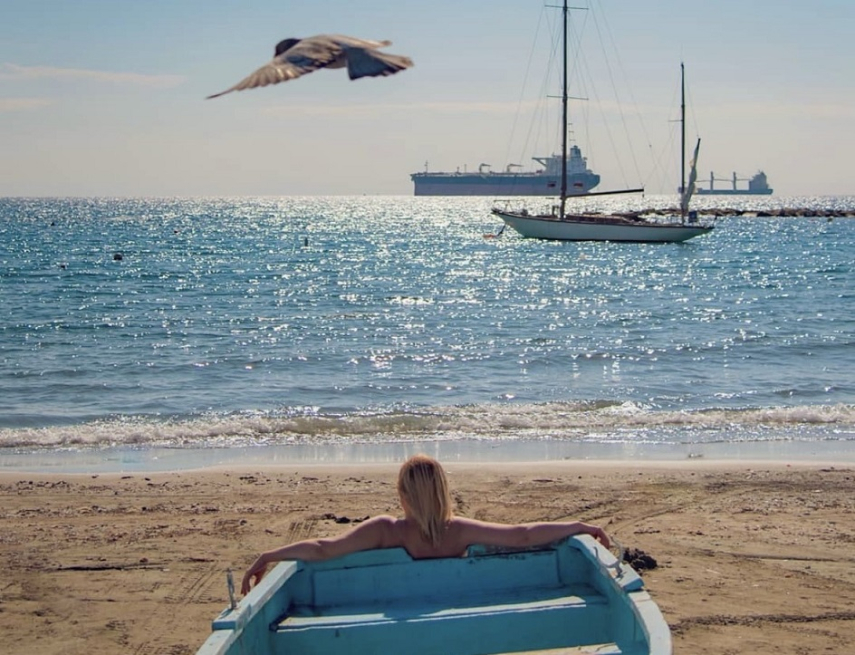
Although there was a gym in her dormitory, she never made much use of it, because she had to climb a steep hill every day: the university was situated high up in Trieste, where the Dolomites end. That daily effort was rewarded by the Mediterranean beach – Rugilė would go to the seaside every day, which was just twenty minutes from her dormitory. During her five months there, she travelled quite extensively and visited Venice, Rome, Florence, Bologna, Naples, Capri, Rimini, and San Marino.
“After about three months, I started to miss home, but later I didn’t want to leave at all,” she reveals, adding that studying abroad gave her greater independence and more confidence when interacting with strangers.
Internationality as VMU’s hallmark
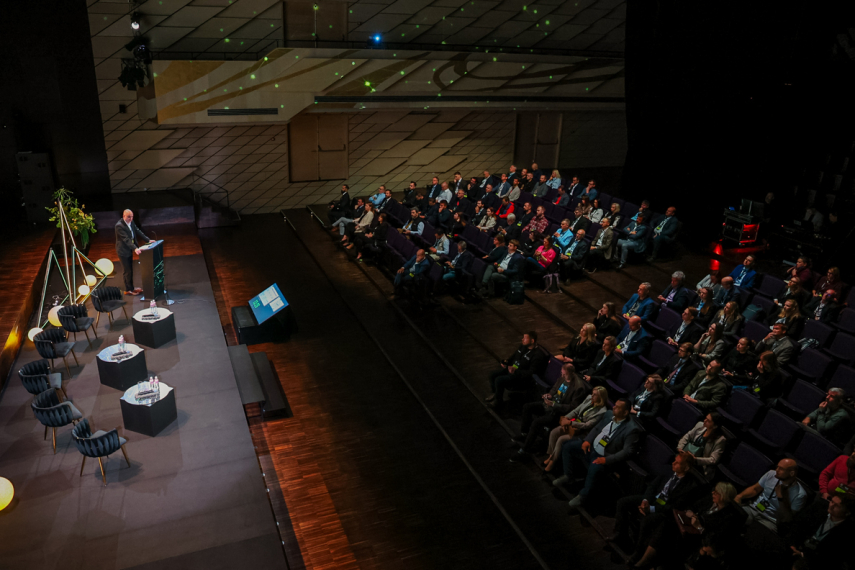
Internationality is one of VMU’s hallmarks, reflected not only in the wide range of opportunities to study or undertake internships abroad, but also in its visiting teachers, research carried out with international partners, and joint study programmes. The university’s leadership in this area is confirmed each year by various national and international rankings. Through continuous development and the adoption of best practices, the university keeps pace with leading higher education institutions and international organisations.
One of its major achievements is the establishment of sustainable relationships with higher education institutions in some of the world’s most advanced countries in the field of education, such as Finland and South Korea, as well as with universities in the United States, and with UNESCO. Today, VMU collaborates with hundreds of universities and research centres, and carries out student and staff exchanges, as well as international projects. The university aims to make effective use of its extensive international partnership network to strengthen all fields of research – particularly education – by attracting leading scholars from Harvard, Lausanne, Dublin, Tartu, and other universities.

Please enter your username and password.

2026 © The Baltic Times /Cookies Policy Privacy Policy