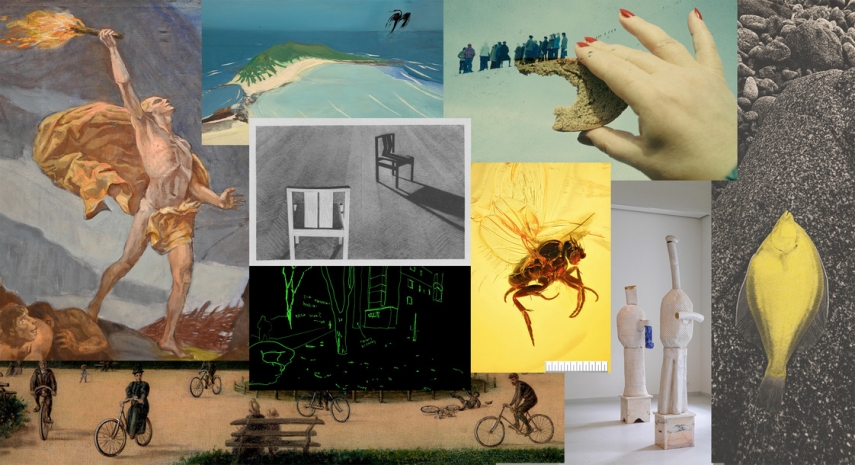
From April 16 to July 3, the Riga Photography Biennial 2026 program will take place, featuring an extensive exhibition and educational program. The first Riga Photography Biennial (RPB) took place in 2016. This year, the Riga Photography Biennial 2026 marks a decade-long journey thematically examining the phenomenon of self-existence/coexistence in various possible contexts, including the impact of technology on human nature, the relationship between man and nature, as well as the informative code of the contemporary image.
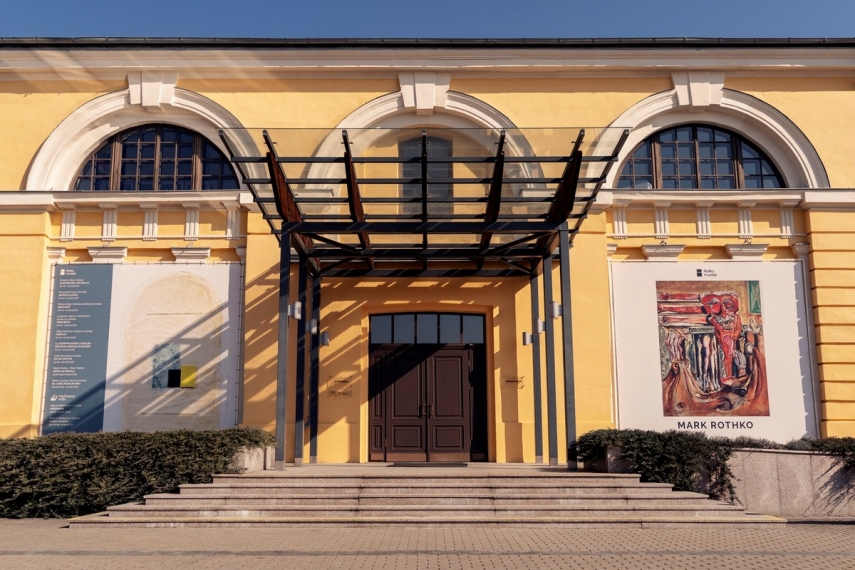
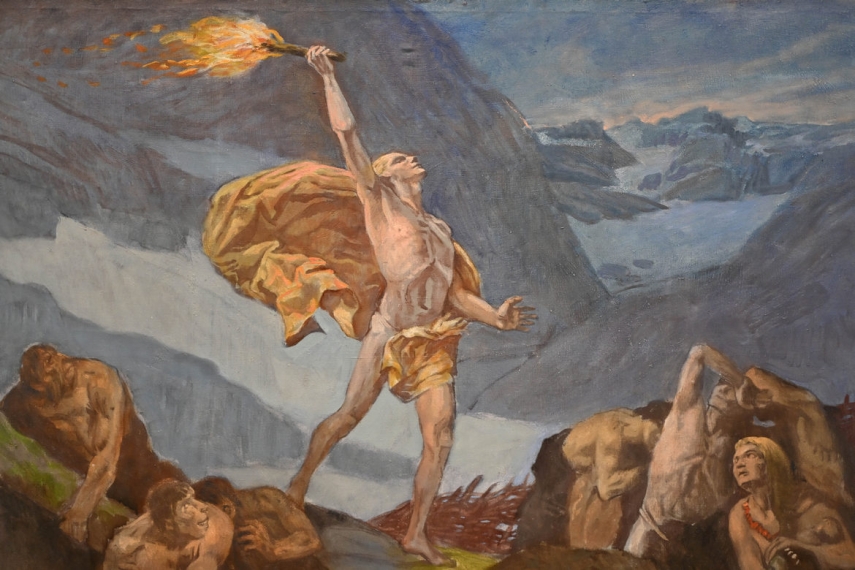
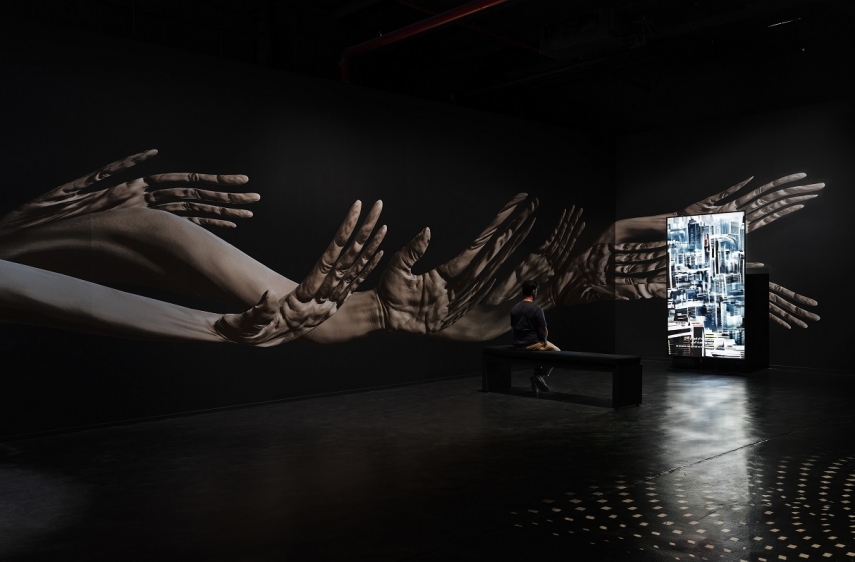
The central event of RPB 2026—the exhibition ‘Zoom In: Ecology’—will take place from April 17 to June 14 at the ‘Riga Contemporary Art Space’ exhibition hall. Of all the important questions that occupy human minds, one is eternal: how to survive? It's a question that can turn in an instant from a seemingly prosaic problem with a rational solution into a universal riddle to which there is no answer. Just like there is no solution to the currently acute contradiction between the human desire to control and exploit natural systems and our negligible knowledge about them – no one can fully explain the workings of ecosystems or what determines biological diversity on Earth. The exhibition ‘Zoom In: Ecology’ presents nine reflections on human merging with digital technologies and/or nature. It investigates how digital activities influence ecosystems, natural resources and human nature, attempting to navigate through this finely crafted web of relationships. Curators: Inga Brūvere (LV), Marie Sjøvold (NO). Participants: Astrid Ardagh (NO), Nanna Debois Buhl (DK), Henna-Riikka Halonen (FI), Inka & Niclas (SE), Kristina Õllek & Kert Viiart-Õllek (EE), Rasa Šmite and Raitis Šmits (LV), Sabīne Šnē (LV), Istvan Virag (HU/NO)
In the Intro Hall of ‘Riga Contemporary Art Space’ from April 17 to June 7, Priyageetha Dia (NL), in her solo exhibition ‘everything you need to see is already in front of you’, questions photography as a medium – repository of memories. Her perspective is rooted in the history of her family in South-East Asia, in the Malay Peninsula, which in its heyday was considered to be the most profitable colony in the British Empire. Working with archives and conducting field research in rubber plantations, Priyageetha Dia approaches the past from different sides. Curator: Inga Brūvere.
To exist is always to exist alongside others – people, systems, memories and presences that remain partially unseen. Exhibition’s ‘A Vocabulary for Ghosts’ curator Paulius Petraitis (LT) and participants Saskia Fischer (DE), Tom Lovelace (UK), Ona Barbora Šlapšinskaitė (LT) propose that co-existence is not only a social or political condition, but also a form of cohabiting with ghosts: invisible forces, archived and unarchived memories, and quiet presences that inhabit the periphery of our attention. The exhibition, which will be on view at the ASNI Gallery from April 18 to May 20, brings together three artistic practices, each illuminating a different dimension of the “ghostly” in contemporary life.
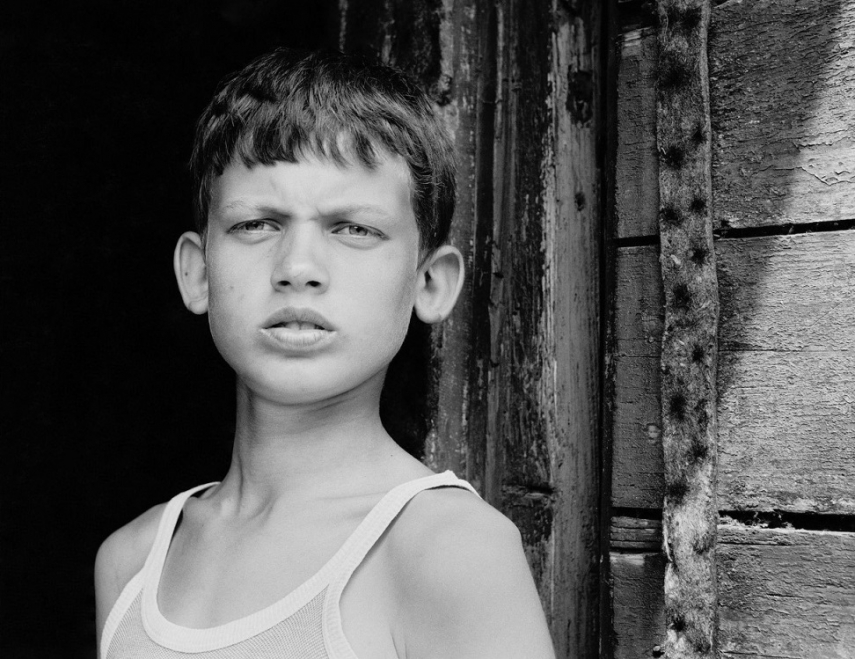
From April 19 to May 31, the ALMA Gallery will host Māra Brašmane’s solo exhibition ‘My Friends’, featuring the artist’s first photographs, shot between 1965 and 1969 with her father’s large-format Woigtländer camera. The black-and-white images show bohemians, artists and writers in a free, relaxed atmosphere – students who, over the following decades, would grow into the new generation of Riga intellectuals. But at this point, Laima Eglīte, Eižens Valpēters, Eva Gurviča, Juris Pudāns and others are still talking about their future dreams in the cafes ‘Kaza’ and ‘Putnu Dārzs’, expressing their feelings, problems and search for self as young people. Curator: Kristians Fukss (LV).
From April 24 to July 3, the ISSP Gallery will host an exhibition ‘Dzen’ by Latvian artist Rūta Kalmuka. The series of works is based on the ancient solstice traditions of “driving of the birds” and “calling of the birds”, which were characteristic of places inhabited by Livonians. In these rituals, large birds symbolised diseases and evil spirits, while small birds were attributed the meanings of light and awakening. With the help of photography and butoh movement, the artist interprets this ritual as a metaphor for inner cleansing – the desire to cast off the darkness and make space for a new beginning. Curator: Iveta Gabaliņa (LV).
At the end of April, the group exhibition ‘Colour as Message. Colour Photography Before the Digital and AI Era’ will open at the ‘Istaba’ Gallery, where curator Irēna Bužinska (LV) will encourage visitors to reflect on the evolution of photography. We live in a colourful world, and one of the problems faced in the early days of photography was the inability to capture the surrounding reality in equivalent amounts of colour. Hence, the colourising of photographs by hand – in order to achieve greater verisimilitude or give the image a particular artistic quality – appeared almost at the same time as the discovery of the photographic process. Yet in many cases, much broader and, from a documentary perspective, seemingly more precise possibilities were also developed to augment or “enhance” reality, thus reducing or even eliminating all those visual imperfections present in a specific person or an actual place. The exhibition will present hand-coloured photographs by unknown artists dating from the mid-19th century onwards and held in several private collections, as well as colour photographs by the contemporary Latvian artists Kristīne Luīze Avotiņa, Artūrs Bērziņš, Valdis Celms, Lilija Dinere and Atis Ieviņš, all of which are courtesy of their authors. The exhibition will be on view from April 28 to May 29.
The Riga Photography Biennial is also heading outside Riga. From May 5 to June 4, the exhibition ‘Side by Side. Three Looks at the Same Place’ at the Talsi Municipality Museum, will investigate the possibilities of co-existence among different visual languages. Three artists – a painter Katrīna Vīnerte, a photographer Uldis Banga, working with analogue technology, and a photographer Dainis Kārklvalks, working with digital technology – document the same place, each of them employing their own medium, their own rhythm, their own instrument of perception and interpretation. Curator: Uldis Jaunzems-Pētersons.
From May 10 to 24, photographs from Irēna Bužinska’s collection ‘Indoors-Outdoors. Rigans in Salon Photography. Late 19th Century–1940’ will be on view at Riga public transport stops, revealing how “the outdoors” would appear inside studios – painted nature: groves, individual trees, a corner of a park with a pond, a seashore or a romantic ruin. But from June 10 through September 27, the Mikhail Chekhov Riga Russian Theatre Gallery will host Ieva Epnere’s solo exhibition ‘Tuesday’ in which the artist turns to the subject of herself and an observation of the cyclical nature of life. The exhibition is curated by Roberta Atraste, winner of the RPB – NEXT 2025 Award ‘Emerging Curator!’.
The RFB 2026 exhibition will also be complemented by an educational program: a lecture ‘Coexistence: Natural/Artificial. Polish Photography After AI’ by Adam Mazur (PL) on April 30, an artists’ symposium curated by Maija Rudovska titled ‘Togetherness’ on May 21, as well as a creative workshop for children and young people with artist Līga Spunde on May 30. A special program publication, which will delve even more deeply into the issues explored during the events, will also be available for purchase at the exhibition and event venues.
The Riga Photography Biennial is an international contemporary art event, focusing on the analysis of visual culture and artistic representation. The term ‘photography’ in the title of the biennial is used as an all-embracing concept encompassing a mixed range of artistic image-making practices that have continued to transform the lexicon of contemporary art in the 21st century. The biennial covers issues ranging from cultural theory to current socio-political processes in the Baltics and the wider European region. Using the format of an art festival, Riga Photography Biennial attempts to record changes taking place all over the world and invites us to collectively interpret them – something we not only need to see but also imagine whilst translating the complicated and oversaturated contemporary visual language into meaningful relationships between our daily reality, the camera lens, historic material, contemporary art, technologies and the future. How has our understanding of photography and image changed because of digital technologies, and how does it manifest itself in the work of art? For the organisers of the biennial these are important questions to present and analyse, whilst at the same time introducing Latvian audiences to leading works of international art as well as the ideas of prominent art theoreticians presented in the form of symposiums, discussions and publications in parallel with exhibitions and performances. For more information: www.rpbiennial.com
Supporters and partners of the Riga Photography Biennial 2026: State Culture Capital Foundation of Latvia, Riga City Council, exhibition hall ‘Riga Contemporary Art Space’, Gallery ‘ALMA’, Gallery ‘ASNI’, ISSP Gallery, gallery ‘Istaba’, Talsi Municipality Museum, Nordic Council of Ministers’ Office in Latvia, Estonian Embassy in Riga, Embassy of Finland in Riga, ‘Rixwell Hotels’, ‘Hibnerstudio’, printing house ‘Adverts’, ‘Artglass by Groglass’, ‘Riga Art Week’ (RAW), Arterritory.com, Echo Gone Wrong, NOBA

Please enter your username and password.

2026 © The Baltic Times /Cookies Policy Privacy Policy