Many respondents in the poll also noted that usually celebrations attended by top state officials were the most unsuccessful.
"Residents note that at festive events, attended by officials, organizers focus all their attention on ensuring that the officials saw and heard everything well, while the rest of the public is often neglected," scientific editor Brigita Zepa said.
Many respondents also complained about heavy police presence at festive events.
Those festive events that involved active participation of the public, such as torchlight processions, lighting candles and laying flowers drew the most positive evaluation.
Many young people as well as ethnic minorities are often unaware of the meaning of national holidays and cannot tell them apart, a problem Zepa put down to historical context.
The most popular holidays in Latvia are those associated with solstice traditions, with 98 percent of Latvians marking these dates, the poll reveals. At the same time, only 48 percent of ethnic Latvians and just as many representatives of ethnic minorities celebrate Latvia's independence day on November 18, and even less people mark May 4, the day Latvia's independence was restored in 1990.
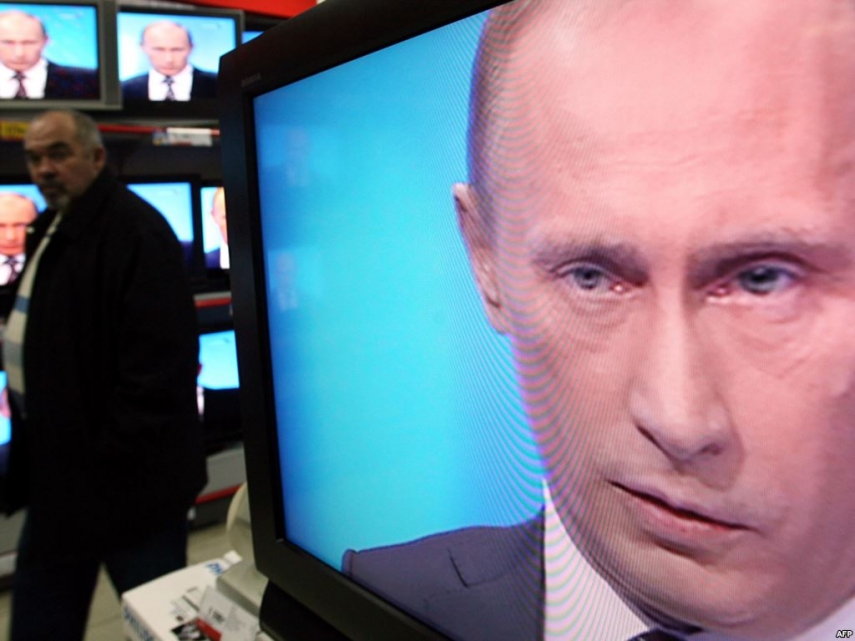
In general, ethnic Latvians are much more active in celebrating national holidays than ethnic minorities, and most people prefer to watch festive ceremonies on television.

Please enter your username and password.


2026 © The Baltic Times /Cookies Policy Privacy Policy