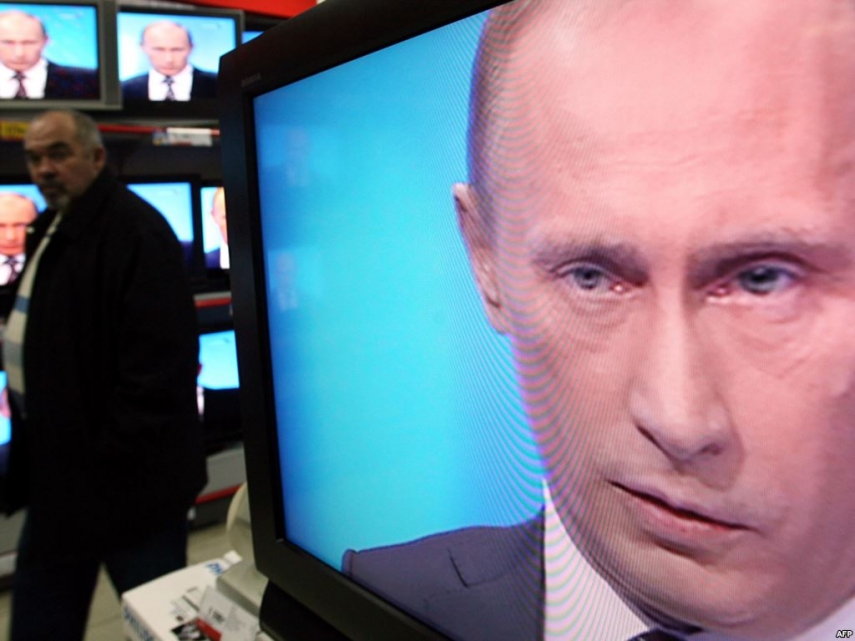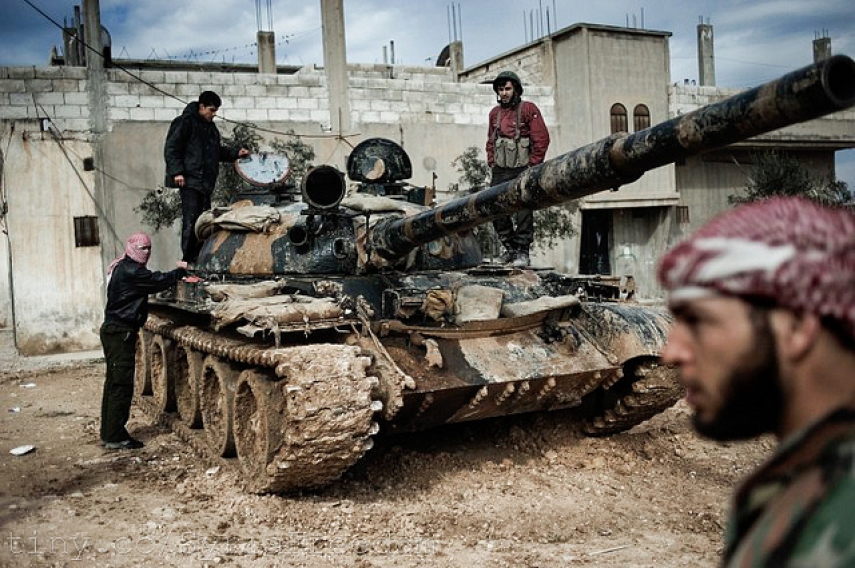
VILNIUS - Lithuania will seek the European Commission's (EC) approval of its action plan on the evaluation process of totalitarian regimes in countries of the EU.
Today in Brussels, as the public debates on the assessment of totalitarian regimes began, Lithuania voiced its view that Stalinism ought to be part of the assessment of totalitarian regimes.
"This is not just another conference, it is the start of a big way in Europe's consciousness and structures. Brussels should establish institutions to fortify the knowledge of the crimes committed by totalitarian regimes to prevent this from recurring under Europe's skies," said MP Emanuelis Zingeris, a member of the Lithuanian delegation at the debates.
Referring to the example of Belarusian Alexander Lukashenko, he noted that totalitarianism was not just an issue of the past in Europe.
Held for the first time in the history of the EU, the public debates were organized by the EC's Directorate General for Justice, Freedom and Security. Attending the debates are more than 100 experts.
In 2007, the EU's Justice and Home Affairs (JHA) Council discussed the draft framework decision, willing EU member states to criminalize crimes made in connection with racism and xenophobia. The draft encompassed Nazi crimes leaving Stalinism aside.
In last year's JHA meeting in Luxemburg, Lithuania sought for the draft framework decision made by the council to include Lithuania's suggestion to consider crimes of Nazism and Stalinism as equal and include their evaluation in the framework decision on racism and xenophobia. When this wasn't actualized, a decision was made to hold supplementary public European debates on this topic.
In 1940, Lithuania was occupied by the Soviet Union, later, during the years of World War II, its territory was invaded by the Nazi Germany. After the Red Army pushed German troops back, Lithuania was forced to become a Soviet Union republic once again.
In 1940-1953, Lithuania lost up to one-third of its population to deportations, killings and forced emigration. Lithuania has estimated the damages of 50 years of the Soviet occupation at 80 billion litas (EUR 23 b).

Please enter your username and password.

2026 © The Baltic Times /Cookies Policy Privacy Policy