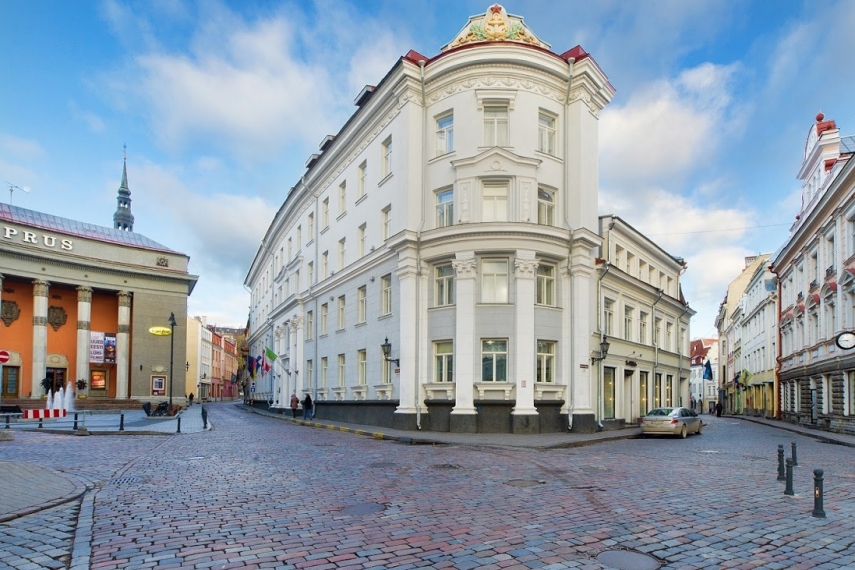
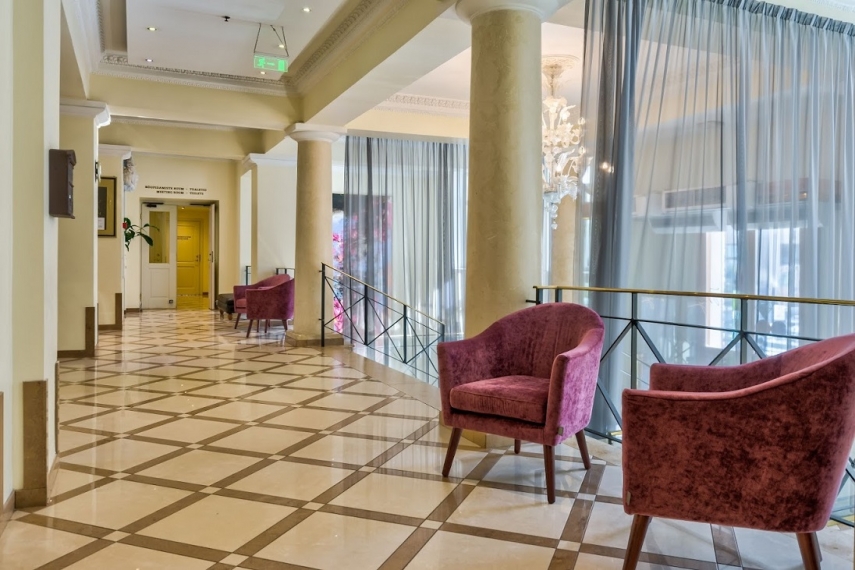
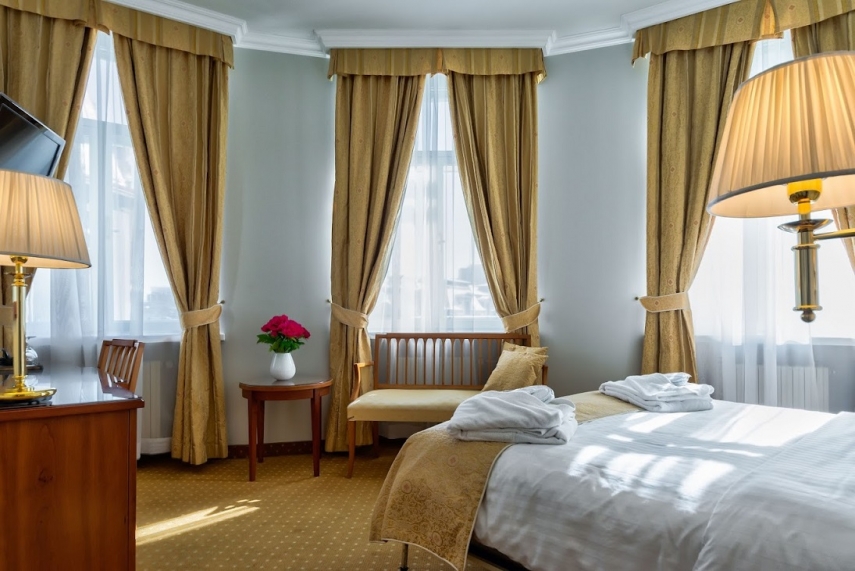
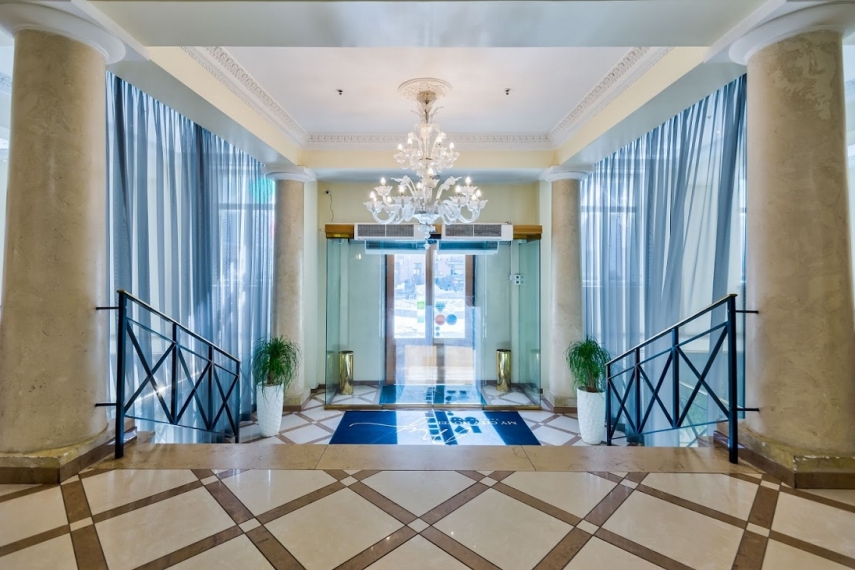
In the heart of Tallinn’s medieval Old Town, competition among boutique and mid-sized hotels remains intense, driven by a steady influx of leisure and business travellers. Against this backdrop, My City Hotel has carved out a stable position by combining location, consistent service and adaptive pricing.
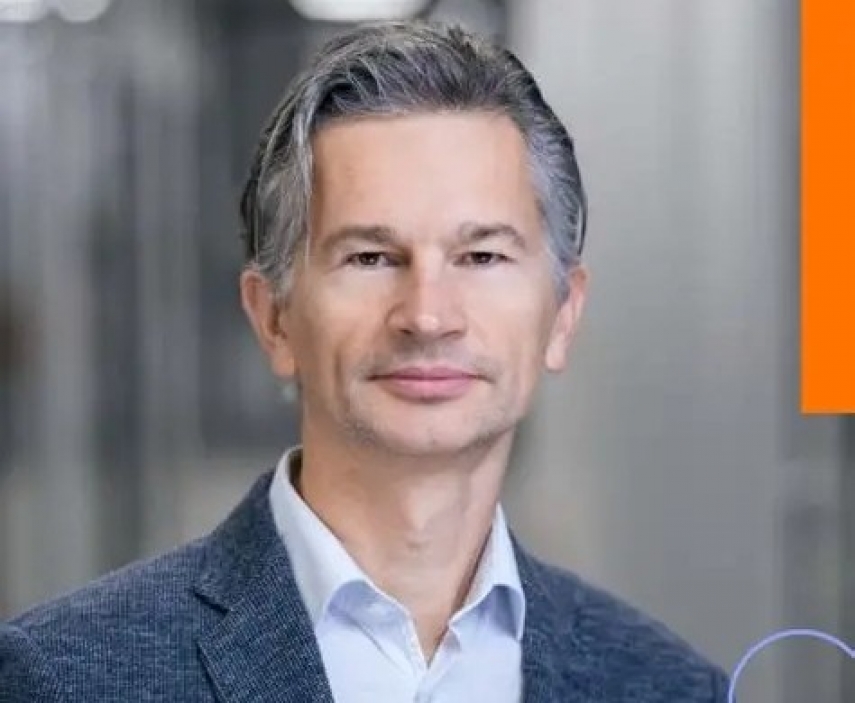
Kristjan Saar, Manager at My City Hotel, told The Baltic Times: “We are centrally located in the Old Town and this helps a lot. It is a beautiful hotel, and we are highly focused on guest satisfaction. Our pricing is competitive and always adapted to the market situation.”
The hotel’s central location continues to be one of its strongest assets, but management stresses that it is only part of the equation. Over its 25-year history, My City Hotel has focused heavily on building long-term relationships with guests, a strategy that appears to be paying off.
“Having operated for 25 years with a strong focus on guest experience, we have a high rate of returning guests. Our clientele is a mix, mainly from neighbouring countries as well as local Estonian guests, travelling for both leisure and business. The average stay is over two nights, which shows that our guests enjoy staying with us longer than competition average,” Kristjan Saar noted.
Tallinn’s Old Town, a UNESCO-listed site, remains a major attraction for visitors. For My City Hotel, being located within it is more than just a selling point – it is central to the overall guest experience.
“Our location is one of our key strengths, alongside with the beautiful building and guest experience. Being in the Old Town is something we actively highlight and promote to enhance the overall stay,” the manager said.
However, the operating environment for hotels in Tallinn is not without challenges. Like much of the European hospitality sector, local operators must navigate fluctuations in demand and rising costs.
“The biggest challenge is seasonality, as most hotels face lower demand in the first months of the year. Another challenge is the continuous increase in taxes,” Kristjan Saar explained.
Balancing these pressures while maintaining service quality is a constant concern. Yet the hotel believes that high standards are not solely dependent on financial investment.
“Maintaining high service standards does not always require additional cost – a genuine smile goes a long way. We value our team, and their training and motivation is key to delivering an excellent guest experience,” he said.
Sustainability has also become an integral part of operations, reflecting broader trends in the tourism industry.
“Sustainability is an ongoing process, and we are constantly looking for ways to improve. For example, we have recently replaced small toiletry bottles with refillable dispensers,” Kristjan Saar emphasized.
At the same time, digitalisation is reshaping how hotels operate. From pricing strategies to guest communication, technology plays an increasingly important role.
“Digitalisation and AI are continuously evolving. Our pricing is AI-controlled, and part of our guest communication is automated. These processes are still supervised by our team, but they have reduced routine workload significantly,” she said.
Looking ahead, My City Hotel is focused on staying relevant in a fast-changing market by investing in both infrastructure and experience.
“Guest experience is something that can always be improved and remains one of our main priorities. As the hotel opened in 2001, we are continuously renovating and upgrading different areas to keep the product fresh and relevant,” Avguzev added.
As Tallinn continues to attract visitors year-round, the hotel’s approach suggests that success lies not only in location, but in the ability to evolve while maintaining a personal touch.

Please enter your username and password.


2026 © The Baltic Times /Cookies Policy Privacy Policy