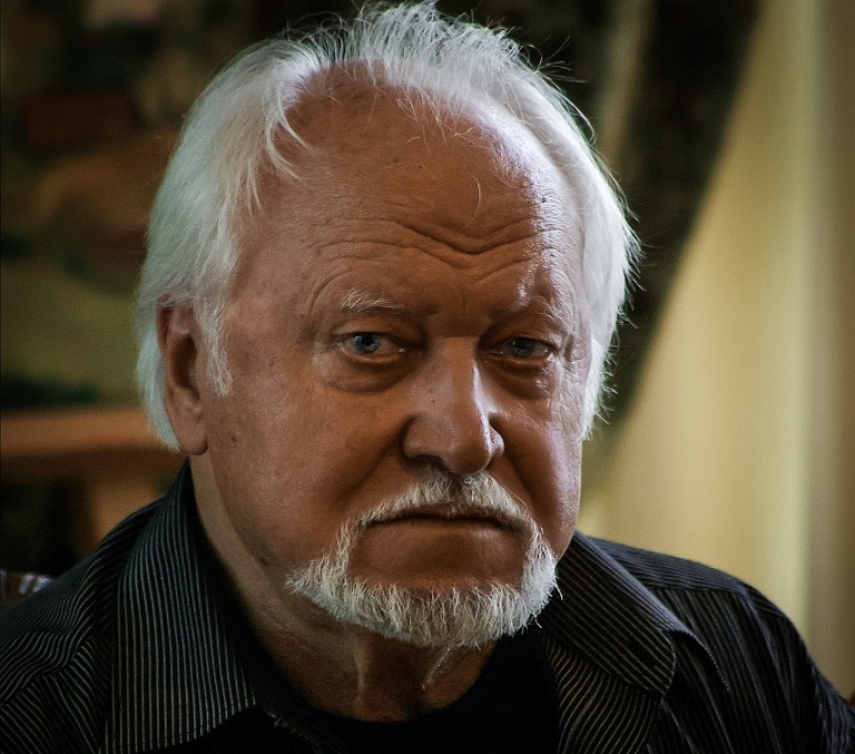
RIGA - If the US and Israeli attack on Iran does not end with rapid success and regime change in Iran, there is a possibility that the war could drag on, according to an assessment given to LETA by Artis Pabriks, director of the Northern Europe Policy Center and former Latvian defense minister.
According to Pabriks, the strikes against Iran can be assessed from three perspectives: realpolitik, moral, and legal. From a realpolitik and moral point of view, the reasons for the US and Israeli attack on Iran are understandable, as Iran is ruled by a totalitarian regime that has been brutally oppressing its own people for decades, and Iran supports terrorist organizations, including Hamas. Iran is also one of the supporters of Russia's war against Ukraine. "Overthrowing or changing this regime is understandable from a realpolitik perspective, as it would reduce support for terrorist organizations and Russia," Pabriks said.
From a legal point of view, the strikes by the US and Israel are not fully in line with international law, but many of these norms were adopted a long time ago and, as practice shows, "the loser is the one who complies with these norms when dealing with criminals," said Pabriks.
In his view, we are currently in a period of geopolitical transition throughout the world, and current politics are increasingly based on military force.
Speaking about the impact of war on the security of the Baltic region, Pabriks pointed out that at present, we cannot rule out the possibility that after the death of Iran's leaders, a situation similar to that in Venezuela will arise, where the regime continues to exist despite the capture of Nicolas Maduro. Iran is much larger than Venezuela, and its leaders have successors.
"Terrorist organizations are also trying to help their patron, Iran. At the same time, there is a high probability, which is positive for us, that Iran will not be able to support Russia to the same extent as before. Similarly, the US and Israeli attack gives all authoritarian regimes pause for thought. However, the Baltic states must take into account that there may be a surge in terrorist threats, so Latvia must strictly limit migration from Muslim countries in a timely manner," Pabriks emphasized, adding that there may also be economic risks with rising fuel prices.
When asked what conclusions Russian dictator Vladimir Putin might draw from the actions of the US and Israel in Iran and how this new situation might affect the war in Ukraine, Pabriks replied that Putin will now have lost some of Iran's support and that the fall of any ally causes Moscow "certain concerns" that it will be increasingly difficult to emerge victorious from the war in Ukraine. This could increase the chances of Putin's regime falling. "It is difficult to say whether this could happen, but at the same time it would be naive to think that Putin's replacement would bring democratic forces to power in Russia," Pabriks emphasized.

Please enter your username and password.

2026 © The Baltic Times /Cookies Policy Privacy Policy