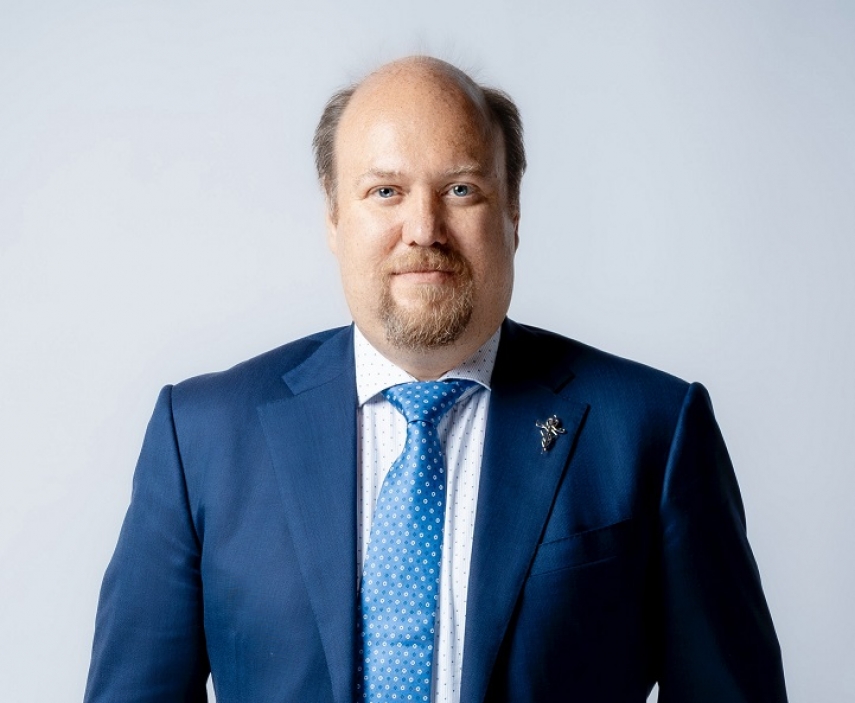
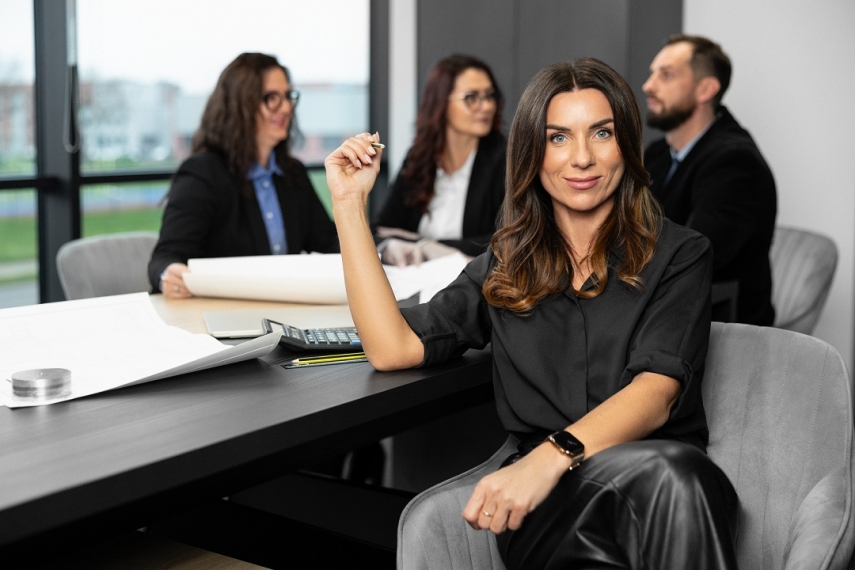
Photo: Shipps LT CEO Inga Normante
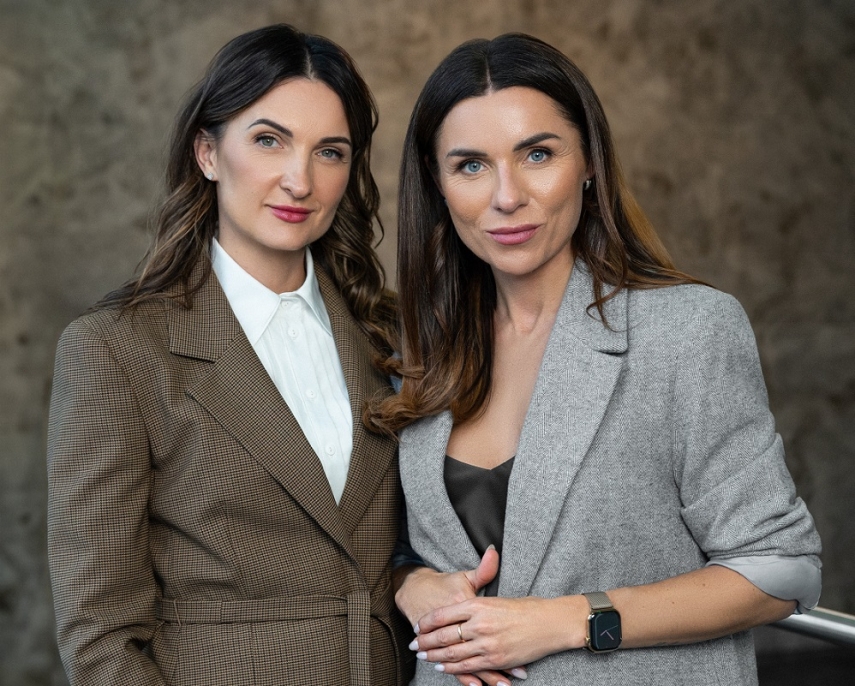
Photo: Shipps LT CEO Inga Normante (on the right) and COO Sigita Lengviniene
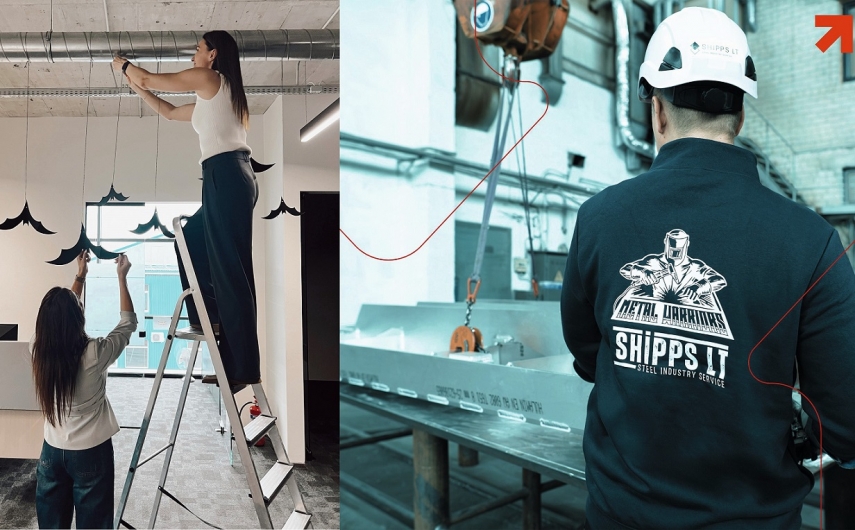
Photo: The company’s motto ‘Built with heart, forged in steel’ reflects the principle of operation
Klaipeda-based Shipps LT, specializing in shipbuilding, modernization, and repair, stands out in the Baltic and European marine sector not only for its technical competence but also for its leadership: the company is driven by a rare two-women executive alliance in a traditionally male-dominated industry. Its CEO, Inga Normante, and COO, Sigita Lengviniene, have built a culture grounded in ethics, professionalism, and people-centric values. “We don’t ‘do and forget’ our clients – we build partnerships. In our company, relationships with employees are always built on this principle: people are not replaced but grown. On top of that, we feel a strong responsibility for the city – from sustainable solutions to social initiatives. Our slogan is: ”Built with heart, forged in steel: every project unites humanity and values with strength and craftsmanship,” I. Normante told The Baltic Times Magazine.
Your leadership model is rooted in a two-women alliance. How does female leadership influence decision-making, culture, and resilience in an industry traditionally dominated by men?
The leadership model at Shipps LT is unique because it is shaped by a tandem of two women – myself and Sigita. This is not a declarative goal, but in an industry traditionally dominated by men, this combination creates an organic balance in decision-making. We complement each other: my strengths are leadership, intuition, and strategic vision; Sigita brings rationality, analytical skills, and process precision. This combination leads to well-balanced decisions and builds an organizational culture where the most important values are people, respect, and professionalism. I believe this cultural foundation is what creates our team’s resilience and long-term stability.
Shipps LT was built by shipbuilding and repair professionals. How are you positioning in today’s increasingly demanding marine and industrial metalwork markets?
Shipps LT’s positioning in today’s shipbuilding and repair market is based on dynamism, technological professionalism, and a values-driven culture. We are a relatively young but very purposefully growing company, which means our strength lies in the ability to adapt quickly to client needs, efficiently organize production processes, and respond to market changes. It is very important to me that the entire company operates with business ethics, transparency, and respectful relationships with partners. I strive to instil in employees the understanding that we are here to help our clients – they should feel that with Shipps LT, part of their business processes became easier.
Shipps LT handles both steel and aluminium structures. Which market segment – shipbuilding, ship modernization, or industrial construction – shows the strongest growth potential for your business today, and why? What market trends do you see in general?
Today, we see the greatest growth potential in ship modernization and in light (especially aluminium) structures. The aging European fleet and tightening environmental regulations are driving owners to invest in upgrades – according to the European Commission’s 2024 Blue Economy report, modernization demand is expected to grow by 6–8 percent annually from 2023 to 2028. The aluminium structures market in the marine sector is also strengthening; global analytical agencies forecast around 7 percent annual growth by 2030, driven by demand for lighter, more efficient, and electrification-ready vessels. This aligns perfectly with our manufacturing competencies in Klaipeda, where we operate both steel and aluminium production zones and maintain the flexibility to deliver complex projects.
You emphasize “partnership, not one-time projects.” Can you talk about that? What were the most significant projects and partnerships you had in 2025?
When it comes to partnerships, we value not one-off projects, but relationships built on trust. In 2025, we made a significant leap from a start-up position into the league of serious partners in the Danish shipowner market. After successfully modernizing two catamarans and relocating all section construction to Klaipeda, we received strong client recognition – we were entrusted with modernizing the next line of catamarans as well. Orders for 2026 are already signed, giving the projects continuity and giving our team even greater confidence in their capabilities. For me, this type of partnership is the most valuable result of our work.
Klaipeda is becoming an increasingly strategic industrial hub. How is strengthening your production line there expanding your operational capacity or international reach?
Klaipeda is becoming an increasingly important industrial center, and strengthening our production line here directly expands our international capabilities. The city gives us logistical advantages, while our facilities enable us to complete more work in Lithuania, allowing us to control quality, timelines, and costs. This allows us to become not only subcontractors in foreign shipyards but also a production center that creates additional value for partners. The more projects we transfer to Klaipeda, the more we strengthen the region’s industrial potential and our identity as a manufacturing company.
You’ve stated that employees are “grown, not replaced.” What systems or practices do you use to develop talent in such a technically specialized field?
First and foremost, I look for a desire to grow and learn – that is the foundation. Technical skills can be learned, especially in a field like metalworking, but internal motivation and character are things you can only recognize and cultivate. When I see these qualities, we provide opportunities to learn both on site in our production facilities and through specialized training. Clear career paths give employees direction, and trust gives them the courage to grow and take on more complex roles.
Sustainability and community responsibility are part of your company’s ethos. Which concrete initiatives best demonstrate your commitment to the city, environment, and social impact?
Now, our main contributions are financial – we support various local initiatives, NGOs, and individuals who need help. As a women-led business, we place particular emphasis on the well-being of women and children. But I have a vision that over time our business will create even greater opportunities to contribute to city development, education, and social infrastructure. I believe business cannot exist separately from society – synergy is essential.
Your motto is “Built with heart, forged in steel.” How does this philosophy translate into measurable business outcomes – quality, client trust, and long-term competitiveness?
Our motto “Built with heart, forged in steel” is not just a poetic phrase – it is a principle of operation. Heart means honesty, responsibility, and respect. Steel means professionalism, discipline, and quality standards. The synergy of these two elements produces tangible results: high production quality, client trust, and opportunities to participate in long-term international projects.
What will be the defining moments for Shipps LT and the industry in 2026?
Looking ahead to 2026, we see several key milestones: we will continue strengthening the production line in Klaipeda as our priority, implement manufacturing certifications that will open the door to larger projects, and work in a focused way without dispersing our efforts, further shaping our identity as a company. One of the most important goals is to clearly define and strengthen the Shipps LT identity – which projects we choose, what culture we cultivate, and what value we bring to partners. I believe 2026 will be the year that demonstrates our maturity and strengthens our position in the international market.

Please enter your username and password.

2026 © The Baltic Times /Cookies Policy Privacy Policy