TALLINN - At the European Union Environment Council held on Thursday, discussions focused on the revised climate regulation, which will set an interim target for reducing greenhouse gas emissions by 2040.
The debate centered on the prerequisites and additional flexibilities that must be clearly defined before the overall target can be confirmed.
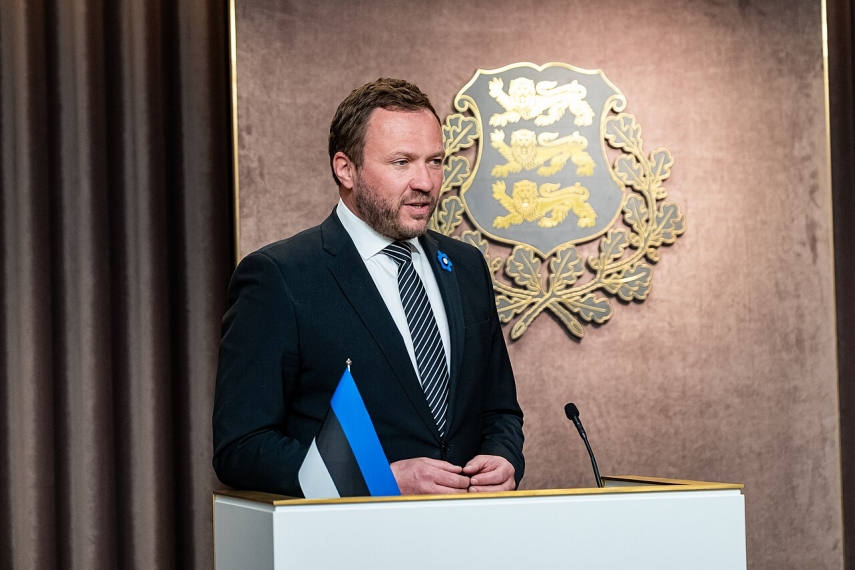
"A clear, long-term, and reasonable climate policy is one of the key factors in maintaining and enhancing Europe's competitiveness. I'm pleased that the discussions have become more practical -- when setting targets, the pathways, impacts, and alternatives are thoroughly considered. In a situation where Europe is the fastest-warming continent, we must make decisions swiftly, but with careful consideration of all important aspects. That's exactly how our recent discussions have gone," Estonian Minister of Energy and the Environment Andres Sutt said in a press release on Friday.
The council marked the first ministerial-level discussion on the EU's climate regulation. The regulation will establish the 2040 interim emissions reduction target and the necessary conditions for achieving it, including flexibilities. The interim target is based on the agreed goal of achieving climate neutrality by 2050. Strategic discussions will continue at the level of prime ministers during the next European Council meeting on Oct. 23-24.
Another focus was the use of internationally tradable greenhouse gas units, taking into account the specific characteristics of individual countries, implementing natural carbon sequestration methods, and cross-sectoral flexibilities. In his speech, Sutt also emphasized the need to secure the necessary funding for small countries to achieve their goals and reiterated the importance of considering countries' previous contributions.
In addition to the long-term EU target, the meeting discussed the indicative EU-wide emission reduction target for 2035.
The Environment Council is a meeting of the environment ministers of the EU member states. The climate regulation establishes the long-term perspective of the EU's climate policy, which will continue beyond 2030. A previous agreement set the goal of achieving EU-wide climate neutrality by 2050, but the regulation specifies the trajectory for reaching it. A new element in the regulation is the addition of prerequisites needed to achieve the goals.

Please enter your username and password.

2026 © The Baltic Times /Cookies Policy Privacy Policy