RIGA - Partners in Latvia's government coalition - the Union of Greens and Farmers and the Progressives - support New Unity's proposal to develop a regulation that would restrict children's access to social network platforms and online content harmful to children.
According to Harijs Rokpelnis, chair of the Greens/Farmers faction in the Saeima, the party believes that on this issue "not only discussions but real decisions are needed". "Just as our initiative to restrict the use of mobile phones in primary school was approved in the Saeima, we also support restricting children's use of social networks, as it has already been done Australia and is currently in the legislative phase in Denmark and France," Rokpelnis said.
Andris Suvajevs, chair of the Progressives faction in the Saeima, underlined that it is particularly important to protect younger children under the age of 12 by restricting their access to social media.
"However, as with any restriction or ban, we need to create a framework that is effective, and parents should also take significant responsibility," the lawmaker said. According to Suvajevs, the problem is quite serious and requires the attention of policymakers.
As reported, the board of New Unity has decided to initiate a discussion in the government and the Saeima, and to start work on a legal framework to restrict children's access to social networking platforms and harmful and inappropriate content on the internet.
The party informed LETA that such a step is necessary to protect children's health and safety in the digital environment.
According to New Unity, studies and expert findings in recent years have shown a direct link between excessive social media use in early adolescence and increased mental health risks, such as depression, anxiety, sleep disturbances, and low self-esteem. In addition, the party says, children are particularly vulnerable to cyberbullying, harmful online content, and digital scammers.
Similar initiatives are currently being promoted in several other European Union (EU) countries, New Unity notes.
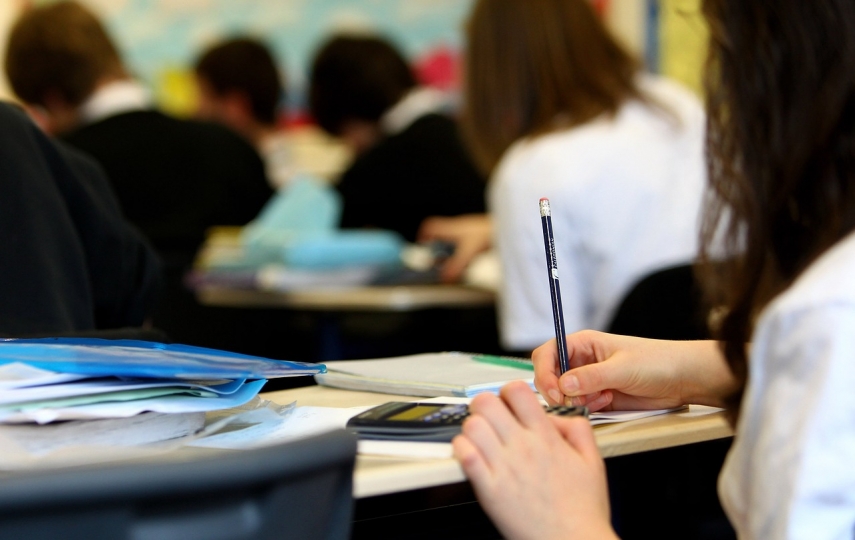
"Latvia is already one of the leading countries in the EU to introduce strict limits on the use of smartphones in educational institutions. These restrictions have improved the environment in schools, so we need to find a solution to keep children safe outside school as well," the party argues.
Digital platforms have no national borders, so effective bans and control mechanisms cannot be fully implemented within a single country by national regulation alone. New Unity will therefore raise the need for common technical solutions and regulation at the EU institutional level for age verification and accountability of social media platforms.

Please enter your username and password.

2026 © The Baltic Times /Cookies Policy Privacy Policy