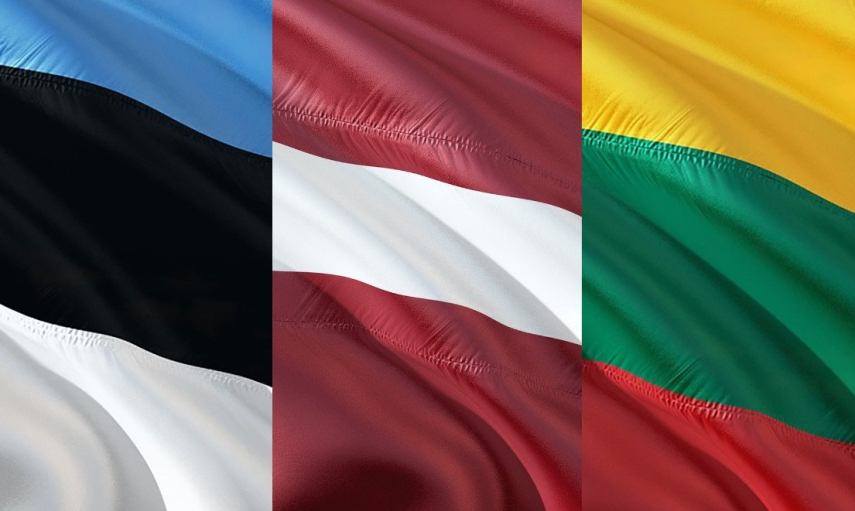
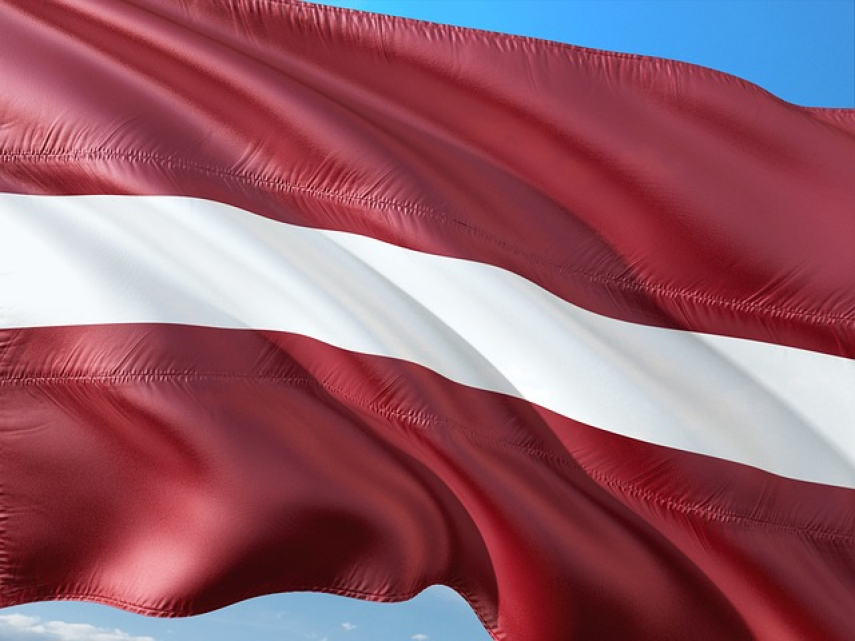
Photo: jorono from Pixabay
RIGA - It is every citizen's duty to affirm that Latvia existed, Latvia exists, and Latvia will continue to exist, Prime Minister Andris Kulbergs (United List) said during a ceremonial meeting of Saeima marking the 35th anniversary of the restoration of Latvia's de facto independence.
People now have the opportunity to become members of parliament, prime minister, tackle problems, and ensure well-being of the people. "But this is only thanks to the events that took place 35 years ago," said Kulbergs.
Latvia has two birthdays: the first, when the state was founded, and the second, when it regained its independence. Latvia was occupied, but the state did not legally cease to exist, Kulbergs emphasized. "It lived on in people's memories, in the Latvian language, in families, in songs, in the persistent efforts of Latvians in exile, and in international recognition," said Kulbergs.
On August 21, 1991, Latvia regained its de-facto independence, said Kulbergs, adding that he had personal memories of that day. His father was a member of the National Guard battalion tasked with guarding the Cabinet of Ministers. In his speech, Kulbergs recalled how he had wanted to go with his father at the time, but his mother would not let him. However, he did help his father make Molotov cocktails.
"At that time, my father instilled in me this patriotism, this fight for Latvia," said the prime minister.
Kulbergs also said that his father, who was the founder of Riga Motor Museum, had prepared Joseph Stalin's armored ZIS limousine - the best armored car in Latvia at the time - to rescue then-Prime Minister Ivars Godmanis or other top state officials from the OMON if necessary.
35 years ago, the people knew they wanted a free Latvia, but they did not know whether they would live to see the evening in a free country, said Kulbergs. At that time, an attempted coup was underway in Moscow, while in Riga, Soviet military forces had seized the television center, the radio building, the telephone exchange, and the Interior Ministry.
"While the Supreme Council was debating the text of the constitutional law, OMON armored personnel carriers were approaching the building; Latvia's freedom and people's lives were under real threat. Nevertheless, the Supreme Council did convene for a meeting, and 111 deputies voted for a free Latvia," said the prime minister.
On May 4, 1990, when the decision to restore Latvia's independence was made, military, financial, and administrative power still remained in Moscow's hands. "That is why we had to proceed step by step - wisely, with purpose, and without straying from the main goal," said Kulbergs.
On August 21, 1991, a decision was made that Latvia would be an independent and democratic state. At that time, the Supreme Council became a true parliament. "Our Saeima, our parliament, exists when, at a decisive moment, it takes responsibility and acts on behalf of the people," said Kulbergs.
"The people of Latvia regained freedom and independence through courage, perseverance, and the ability to say at a decisive moment: now or never! Today we bow our heads before the leaders of the National Awakening, the Popular Front, members of the Supreme Council, and defenders of the barricades," said Kulbergs.
Kulbergs truly believes that if Latvia were to be threatened today, everyone present at Saeima's ceremonial meeting would be able to make the right decisions at the decisive moment, protecting the country and the people.
Today, more clearly than in 1991, the nation is aware of the significance of Latvia's statehood, freedom, and independence. Russia's brutal war against Ukraine has also served as a harsh reminder of this. Latvia understands Ukraine very well, as the Latvian people have experienced the horrors of war, occupation, and repression brought about by Russian and Soviet rule, said Kulbergs.
"Every day, every moment, the people of Ukraine are proving with their blood what history has already taught us - that freedom is not something to be taken for granted," said Kulbergs.
He emphasized that the Latvian state is the foundation for security, prosperity, national development, language, and culture of the Latvian people. "We, Latvians, have our own country, but the state is not a service that someone guarantees to provide us. Alongside our many daily roles, we are, first and foremost, citizens of Latvia," said the prime minister.
However, people have not only rights but also duties toward Latvia, Kulbergs emphasized. A soldier defends his country through his willingness to sacrifice his life for the sake of the nation's freedom, a teacher - by passing on his knowledge to the next generation, medical professionals - by saving people's lives, businesspeople - by paying their taxes in good faith, contributing to Latvia's economic development, farmers - by cultivating Latvia's land and ensuring food security, and parents - by raising their children to be patriots of Latvia, he said.
As a father of three, Kulbergs is keenly aware that a nation begins with children, with whether they know their history and feel a sense of belonging to Latvia, and whether they see opportunities to study, work, and raise their own children here.
The prime minister emphasized that strong families are the foundation of Latvia's future. "Today, every government decision and every euro spent publicly must serve a single goal: a safe, strong, and prosperous Latvia," Kulbergs stated. He believes that it is the duty of Saeima and the government to strengthen national defense and internal security, as well as to build an economy capable of financing security and giving people confidence in the future.
Democracy is the ability and skill to listen to one another even when the parties disagree, and to debate "without tearing down our shared home." "It is a free press, independent courts, fair public administration, and responsible citizens," said Kulbergs, emphasizing that this was precisely the choice made on August 21, 1991.
"National identity, first and foremost, is the attitude of everyone here toward Latvia and its people. Do we do our work conscientiously and wholeheartedly? Are we able to prioritize the common good over short-term gain, honestly acknowledge our mistakes, and take the next step to ensure these mistakes are not repeated? It is our duty to demonstrate our love for our country through our work every day," the prime minister told the members of parliament.

Please enter your username and password.

2026 © The Baltic Times /Cookies Policy Privacy Policy