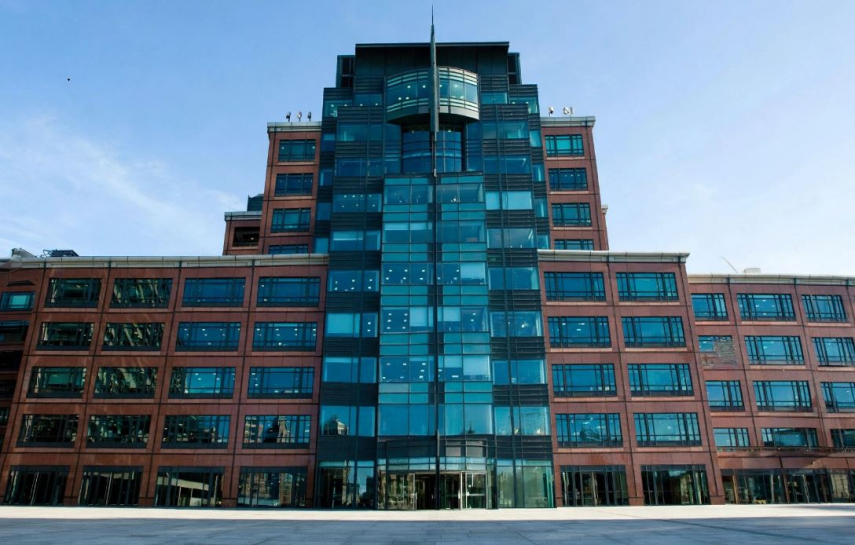
Photo: AI generated
RIGA - The European Bank for Reconstruction and Development (EBRD) has raised its gross domestic product (GDP) growth forecasts for Latvia and Estonia, but has kept its economic growth forecast for Lithuania unchanged.
The EBRD’s latest projections indicate that Latvia’s GDP will grow by 2.4 percent this year, rather than the 2 percent estimated in June.
Compared to the June forecasts, the EBRD’s projections for Estonia’s economic development have also improved. While it was previously estimated that Estonia’s economy would grow by 2.1 percent this year, the EBRD’s latest projections now expect it to grow by 2.4 percent.
Meanwhile, the EBRD forecasts 3 percent growth for the Lithuanian economy this year, unchanged from its June projection.
The EBRD notes that Latvia’s economic growth has accelerated from 2.1 percent last year to 2.8 percent in the first six months of this year, thanks to a rise in investment, but the rise in imports has outpaced the growth in exports. The bank forecasts that Latvia’s budget deficit will rise from 2.5 percent of GDP last year to 4.2 percent next year and 5.4 percent in 2028, taking into account increased defense spending.
At the same time, the EBRD expects Latvia’s GDP to grow by 2.1 percent next year, rather than the 2.3 percent previously forecast. The bank, however, has kept its economic growth forecasts for Lithuania and Estonia unchanged at 2.2 percent and 2.3 percent, respectively.
The EBRD has lowered its economic growth forecast for the countries in its region by 0.6 percentage points to 2.5 percent for this year, while a 4 percent increase is expected in 2027.
The bank has lowered its economic growth forecast for Ukraine this year by 0.7 percentage points to 1.5 percent, while next year’s forecast has been reduced by 1.5 percentage points, with a 0.7 percent contraction expected.
The EBRD is jointly owned by 64 member states, the European Union (EU), and the European Investment Bank (EIB). European countries play a dominant role in the bank, though several other countries, including the United States and Japan, also participate in decision-making. It was founded in 1991 to help the former Soviet bloc countries in Europe and Central Asia transition to a market economy. The bank operates in 29 countries.

Please enter your username and password.


2026 © The Baltic Times /Cookies Policy Privacy Policy