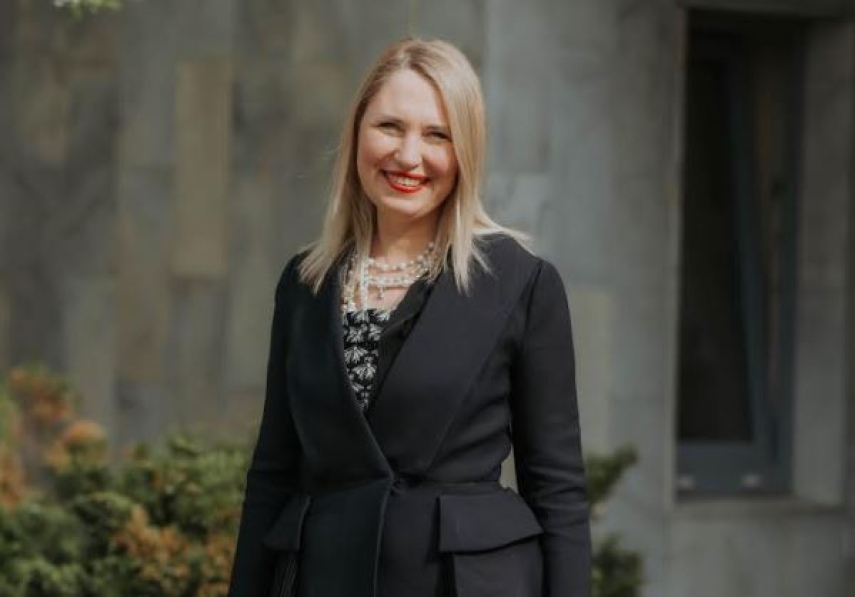
RIGA - Even a Ukrainian victory in the war and the signing of a peace treaty would not mean that Russia has changed, and no civilized country will be willing to sit down at the same table with Russia until it is held accountable for its actions in Ukraine and compensates for the damages it has caused, Saeima Speaker Daiga Mierina (Greens/Farmers) stated on Thursday during a meeting with Council of Europe (CoE) Secretary General Alain Berset
According to the Saeima Press Service, Mierina emphasized that the policy of deterring and containing Russia must continue, as it is yielding results and impacting the aggressor state's economy. She called for even further restrictions on trade with Russia, as well as for limiting opportunities for Russian citizens to enter the Schengen Area.
The Speaker of the Saeima expressed the view that Russian citizens who have fought in Ukraine and committed crimes against humanity should be barred from visiting European countries in the future. She also noted that the time has come to discuss the shared responsibility of Russian society for war crimes committed not only by the country's political leadership but by the system as a whole.
Meanwhile, Berset commended Latvia's stance and leadership on issues related to condemning Russian aggression and emphasized the CoE's consistent support for Ukraine. He noted that Latvia's historical experience during the occupation helps other countries better understand the nature of Russia's aggressive policies.
The Secretary General of the CoE also stressed the need to hold Russia accountable for its aggression against Ukraine. He highlighted the organization's achievements, including the establishment of the Register of Damages, which documents the losses inflicted on Ukraine and its people and accepts claims for compensation.
During the meeting, issues related to strengthening democracy in Europe were also discussed, including its protection against disinformation, hybrid threats, and foreign interference in democratic processes.

Please enter your username and password.
2026 © The Baltic Times /Cookies Policy Privacy Policy